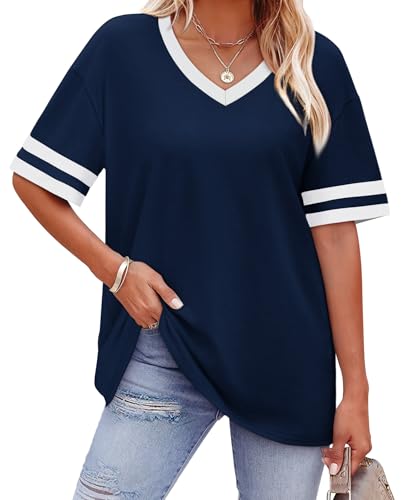
The Secret to High-End Style: Fabric and Construction
Looking for an affordable designer dress that gives off an air of luxury? The key lies not in a hefty price tag, but in strategic choices focusing on quality fabrics, impeccable construction, and classic silhouettes. You can absolutely achieve a sophisticated, expensive aesthetic without overspending by knowing what details to prioritize and how to style them.
To make any dress appear more expensive than it is, always start with the fabric. Avoid anything that looks overly shiny, thin, or prone to wrinkling with ease. Instead, seek out materials with a substantial hand feel and a refined finish. Think about crepe, which drapes beautifully and has a subtle texture, or a heavy, substantial jersey knit that offers structure and comfort. Silk blends, Tencel, or well-made cotton sateen also offer a luxurious sheen and feel without the fragility of pure silk. Colors play a significant role too; rich, deep jewel tones like emerald green, sapphire blue, or ruby red instantly elevate a piece. Classic neutrals such as navy, charcoal grey, sophisticated camel, and, of course, a true black also provide a timeless, high-end foundation. Pay attention to how the fabric moves; it should flow gracefully or hold its shape without clinging unflatteringly. A dress made from a fabric that feels good against the skin and looks substantial will always outshine one made from a flimsy, cheap-looking material, regardless of the label.
Silhouette Savvy: Choosing the Right Cut
Beyond fabric, the silhouette of a dress is paramount to its perceived value. Opt for classic, clean-lined shapes that stand the test of time rather than overly trendy or complicated designs. An A-line dress, for example, is universally flattering and inherently elegant, creating a balanced and refined profile. A well-tailored sheath dress, particularly in a midi length, offers a sleek and professional look that can transition effortlessly from day to evening. Wrap dresses are another excellent choice, providing a customizable fit that accentuates the waist and creates graceful movement. When evaluating a dress, look for precise stitching, well-finished seams, and a lining, if appropriate, that enhances the drape and prevents transparency. Avoid anything with ill-fitting darts, gaping armholes, or a hemline that is uneven or poorly executed. The goal is to find dresses with a structure that looks intentional and polished. A simple shift dress, when made in a quality fabric and fitting perfectly, can look far more expensive than a heavily embellished, poorly constructed gown.
Details Make the Difference, Not the Logo
The subtle details are often what truly set an expensive-looking dress apart. These are not about overt branding, but rather the thoughtful elements that speak to quality craftsmanship. Look for covered buttons, which instantly elevate a simple closure. Well-placed pleats or subtle ruching can add texture and dimension without appearing fussy. Zippers should be discreet and lie flat, ideally with a hidden placket. Quality hardware, even if minimal, like a substantial buckle on a belt or elegant metal toggles, contributes to a luxurious feel. Pockets that are seamlessly integrated and lay flat are another sign of good design. In contrast, avoid dresses with cheap-looking plastic buttons, exposed zippers that feel flimsy, or excessive, poorly applied embellishments like sequins or cheap lace that can detract from the overall aesthetic. Sometimes, less is truly more when aiming for an expensive look; a minimalist design with impeccable details will always win over an overloaded, flashy one.
The Art of Accessorizing for an Upscale Finish
Even the most exquisite dress can be diminished by poor accessorizing, and conversely, a relatively simple dress can be transformed into a high-fashion statement with the right additions. Think about clean, structured accessories. A well-made leather handbag with a minimalist design, in a classic color like black, brown, or a rich burgundy, instantly elevates your look. Footwear should be polished and appropriate for the dress style; pointed-toe flats, sleek block heels, or classic pumps in a neutral shade like nude or black are always good choices. Avoid overly casual sneakers or overly embellished shoes that might clash. Jewelry should be chosen with care; often, one statement piece or several delicate, coordinated items look more expensive than a jumble of mismatched pieces. Consider a delicate gold chain, pearl studs, or a classic watch. A quality belt can define your waist and add a touch of sophistication, especially if it complements the dress’s color or texture. Lastly, never underestimate the power of grooming; neat hair, subtle makeup, and well-manicured nails complete the expensive aesthetic.
Fit is Your Best Friend
Perhaps the most crucial, yet often overlooked, aspect of making any dress look expensive is the fit. A dress that fits you perfectly, as if it were custom-made, will always look high-end, even if it came with a modest price tag. This means ensuring the shoulder seams align with your natural shoulder, the waist is defined at your narrowest point, and the hemline falls to a flattering length for your height and leg line. If a dress is slightly too big, especially in the shoulders or waist, it can appear sloppy. If it’s too tight, it can look cheap and uncomfortable. Do not shy away from investing a small amount in alterations. Taking a dress to a good tailor to adjust the hem, nip in the waist, or shorten the sleeves can utterly transform its appearance. A perfect fit communicates care and attention to detail, which are hallmarks of true luxury. This small investment can yield huge style returns, making an affordable dress look like a bespoke creation.
Key Takeaway
Prioritize quality fabric, classic silhouettes, thoughtful details, and a perfect fit to make any dress look expensive, regardless of its original price.