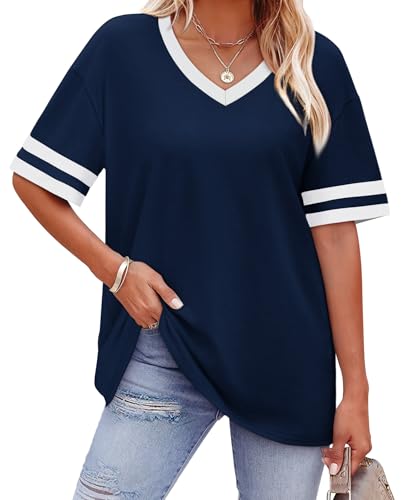
The Secret to an Expensive-Looking Bag on a Budget
The key to an affordable bag that appears luxe is all about choosing classic shapes, smooth textures, and understated hardware. Skip trendy logos or excessive embellishments and zero in on structured totes, sleek crossbodies, and clean-lined satchels in neutral colors like camel, slate, or burgundy. Look for pebbled leather or faux calfskin that holds its shape, and opt for gold or silver-toned hardware that’s polished, not flashy. A bag with minimal branding and a simple silhouette instantly reads as high-end, regardless of its price tag.
Material Matters: Choosing Fabrics That Read as Rich
When shopping on a budget, material choice is crucial. Saffiano leather - a crosshatch-textured, scratch-resistant finish - is a favorite among luxury brands and widely available at accessible price points. Vegan leathers have come a long way; look for ones with a matte, supple feel rather than a plasticky shine. Suede, whether real or microfiber, adds a plush texture that feels expensive. Avoid shiny patent leathers or obvious coated canvas. If you’re buying a fabric bag, pick structured cotton canvas in a tight weave with leather trims. For evening, a velvet or satin clutch in jewel tones like emerald or ruby can look far more pricey than its actual cost.
Silhouette and Structure: The Shape of Luxury
A bag’s structure heavily influences its perceived value. Soft, unstructured slouchy bags can look messy; instead, opt for designs with clean lines and defined shapes. Think boxy top-handle bags, rigid bucket bags, or architectural half-moon crossbodies. A bag that stands on its own when set down signals quality. Look for reinforced bases, sturdy straps (preferably with a bit of weight), and zippers that glide smoothly. Handbags with a distinct silhouette - like a trapezoid doctor bag or a chunky chain strap - mimic the signature styles of high-end designers. Proportion is also key: a medium-sized bag is most versatile, but if you’re petite, a small structured bag will look more expensive than a large, floppy one.
Color Palette: Neutrals and Jewel Tones That Age Well
Color can instantly elevate a bag’s appearance. Stick to a palette of classic neutrals: black, tan, navy, gray, and ivory. These shades are timeless and don’t call attention to minor imperfections in material or stitching. For a pop of color, choose deep jewel tones like oxblood, forest green, or midnight blue - these hues are associated with luxury and don’t fade as dramatically as pastels or neon. Avoid overly bright or trendy colors that can cheapen the look. If you want a print, opt for subtle animal prints (like python embossed leather) or a monogram pattern that’s small and tonal, not loud.
Details That Make the Difference: Hardware, Stitching, and Logos
Refined details separate a budget bag from a cheap one. Go for polished hardware: gold, silver, or ruthenium that’s shiny but not brassy. Avoid plastic or overly large zipper pulls. Stitching should be straight, even, and in a matching thread color - contrast stitching can sometimes look casual but is acceptable on certain styles like hobos. Logos should be minimal; a discreet embossed logo or a small metal plaque is ideal. Large printed logos or monogram patterns are often the quickest way to signal a lower price point. Instead, let the bag’s shape and material speak for itself.
Styling Your Affordable Bag: How to Wear It with Confidence
To make your bag look its most expensive, style it thoughtfully. Pair a structured croc-embossed tote with a sleek trench coat and tailored trousers for a polished office look. A suede crossbody in taupe looks luxe when worn with a cashmere sweater and dark denim. For evening, a velvet clutch with a subtle chain strap complements a simple silk slip dress. The bag should be the statement, so keep other accessories minimal: understated jewelry, clean shoes. Carry it with confidence - the way you hold and handle your bag affects how others perceive it. A bag that’s well-maintained (clean, not overstuffed) will always look more expensive than a designer piece that’s battered.
Maintenance for Longevity and Luxury
Finally, care for your bag to preserve its high-end appearance. Store it in a dust bag when not in use, stuff it with tissue to maintain shape, and clean it with a damp cloth or appropriate leather cleaner. Avoid overloading it - a bulging bag loses its structure. Rotate your bags to prevent excessive wear. With proper care, even an affordable bag can last for years and continue to look polished.
Key Takeaway
Invest in structured silhouettes, neutral or jewel tones, and minimal hardware for an affordable bag that looks high-end.