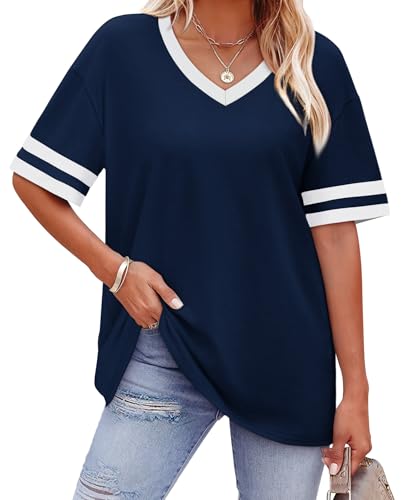
The Secret to Affordable Jewelry That Looks Expensive
The key to affordable fine jewelry that looks expensive is focusing on quality materials and timeless design over big brand names. Choose pieces made with gold vermeil, sterling silver, or stainless steel with high-quality plating. Look for solid construction and smooth finishes. Avoid trendy shapes that quickly date. Stick to classic silhouettes like huggie hoops, thin chain necklaces, and simple bangles. These basics instantly elevate any outfit and never go out of style. Layering is your best friend: combine a delicate 14k gold-filled necklace with a longer pendant and a choker for a curated, expensive look. Mix metals strategically - yellow gold with rose gold for warmth, or silver with white gold for cool tones. Stack rings in varied widths: a thin band, a midi ring, and a slightly thicker signet ring. Always keep your jewelry clean and polished to maintain its lustrous appearance.
Choose Your Metals Wisely
Metal choice dramatically affects the perceived value of jewelry. Gold vermeil (gold over sterling silver) offers the look of solid gold at a fraction of the cost. It’s durable and resists tarnish longer than gold-plated pieces. Sterling silver is another excellent base; look for a thick gold plating of at least 2.5 microns. For silver lovers, high-polish stainless steel mimics white gold or platinum but is scratch-resistant and hypoallergenic. Avoid brass or copper bases unless you want a vintage look. When styling, coordinate metals with your skin undertone: cool undertones shine with silver and white gold; warm undertones glow with yellow and rose gold. Mixed metals can work if you balance them - for example, a yellow gold watch with rose gold earrings and a silver bracelet. Keep the metal finish consistent: all high-polish or all brushed.
Gemstones and Cuts That Appear Premium
Not all stones are equal. Opt for cubic zirconia (CZ) in high-quality cuts, like brilliant round or princess cuts, which sparkle like diamonds. Moissanite is another affordable diamond substitute with even more fire. For colored stones, choose lab-created gems like sapphire, ruby, or emerald - they are flawless and vibrant. Avoid obvious synthetic stones like epoxy-filled. Cut matters more than carat: a well-cut CZ catches light and looks expensive, while a poorly cut real stone can look dull. Solitaire pendants and stud earrings in prong settings give a luxury feel. Look for bezel settings, which protect stones and give a sleek, modern look. Stack gemstone rings with plain bands for contrast. For example, a small emerald-cut cubic zirconia ring paired with a plain gold band looks like a designer set.
Proportions and Layering Rules
Proportion is everything. Petite frames suit dainty chains (14-16 inches) and small studs or hoops (10-15mm). Taller frames can pull off chunkier pieces like a 20-inch pendant or wide cuffs. Layering necklaces: stick to three lengths - choker (14-16 inches), princess (18 inches), and matinee (20-24 inches). Mix textures: a smooth snake chain with a beaded necklace and a pendant. For bracelets, stack a thin bangle with a chain bracelet and a leather wrap. Keep earrings subtle if the neck is busy, or wear bold earrings with no necklace. The rule of thumb: avoid competing focal points. When stacking rings, wear them on adjacent fingers or spread across both hands. Limit to three rings per hand for sophistication. Use a unifying element like the same metal or stone across pieces to tie the look together.
Everyday Styling for Maximum Impact
Your jewelry should transition from day to night. For work, choose simple gold huggie hoops and a small diamond-like pendant. Add a midi ring and a slim bangle. For a night out, swap the pendant for layered chains with a larger focal piece like a coin necklace. Pair statement earrings with a sleek low bun or ponytail to highlight them. When wearing a high neckline, skip the necklace and go for chandelier earrings or bold cuffs. For open necklines, a collar necklace or layered chains work beautifully. Color coordination: neutral outfits (beige, black, white) make metal jewelry pop. Bright colors (red, cobalt) pair well with silver or white gold for contrast. Pastels (soft pink, lavender) suit rose gold. Always choose jewelry that complements your outfit silhouette: delicate pieces for soft fabrics like silk and cashmere; bolder pieces for structured fabrics like denim and leather.
Key Takeaway
Choose classic silhouettes in consistent metal finishes, layer thoughtfully, and keep pieces clean to make affordable fine jewelry look undeniably expensive.