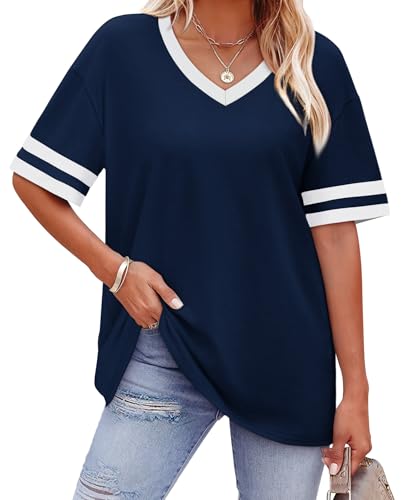
Finding a high-end look on a modest budget is entirely possible if you know which fabric constructions and tailoring details signal quality to the eye. You do not need designer logos to convey wealth or style. Instead, focus on the tangible building blocks of the garment. A truly polished look comes from materials that hang perfectly and seams that align correctly. When you approach affordable luxury, you are paying for the craftsmanship rather than the marketing.
Prioritize Heavyweight Cotton Gabardine and Matte Textures
Texture is the primary indicator of quality in outerwear. A truly expensive looking trench relies on a tight weave and substantial weight. You should look for heavy cotton gabardine or a dense twill weave rather than flimsy synthetics. These materials hang perfectly straight without clinging to your underlying clothes. The drape is crucial because it dictates how the coat moves with you. When you hold a high quality coat by the shoulder, it should fall in a clean vertical line without rippling or warping. This structure gives the wearer an instant posture upgrade. Avoid shiny polyester blends because they look cheap in direct sunlight and feel hot to wear. The fabric should have a matte finish that absorbs light rather than reflecting it. If the material feels slick or slippery to the touch, it will likely look like a costume. Additionally, inspect the fabric for a smooth hand rather than a rough or fuzzy texture. A smooth surface reflects light in a way that mimics silk or fine wool, adding to the illusion of luxury.
Stick to Classic Structured Silhouettes
The shape of the coat determines its shelf life in your wardrobe. A structured shoulder line creates an authoritative and polished frame. Look for defined seam lines where the sleeve meets the shoulder. Ideally, you want a set-in sleeve rather than a raglan sleeve because set-in sleeves offer a sharper, more formal look. Avoid the oversized drop shoulder trend if you want to appear expensive because it can slouch and look messy over time. A traditional A-line cut that skims the hips but does not flare too wide is the most universally flattering choice. This silhouette balances the upper body without adding bulk to the lower half. The length should hit mid-calf to just below the knee to create that long vertical line associated with luxury fashion. Shorter car coat lengths are fun but often lack the dramatic sweep of a full trench. Furthermore, pay attention to the sleeve length. The sleeve should hit right at the wrist bone so a sliver of shirt cuff shows. If the sleeves are too short or too long, the entire coat will look ill-fitted regardless of the price.
Choose Saturated, Timeless Neutrals
Color psychology plays a huge role in how we perceive price points. A deep camel, warm stone, or rich navy will always read as premium. These shades mimic the natural tones of high-end wool and leather accessories found in luxury boutiques. You should avoid bright reds, neons, or pastels because they tend to look seasonal and trendy. A classic hue ensures your coat investment works for years instead of just one month. Darker neutrals like navy or black hide stains and wear better, but a high quality tan trench is the ultimate status symbol. Ensure the color is saturated and rich rather than washed out or dull. A washed-out beige can look dingy, while a caramel or camel shade looks intentional and curated. Also check that the thread matches the fabric perfectly. Any contrast stitching can look cute and sporty, but for a luxury look, tonal stitching makes the garment look seamless and expensive.
Inspect Hardware, Stitching, and Functional Elements
The devil is in the details when distinguishing high street from high fashion. Check the buttons first because they are the jewelry of the coat. Horn buttons or matte metal toggles look much more sophisticated than shiny gold plastic. The buttons should feel heavy and cool to the touch, not hollow or light. Check the buttonholes as well. They should be bound tightly with neat stitching. Frayed edges around the buttonholes are a sign of mass production. Look for functional features like a back belt detail, a storm flap on the chest, and functional straps on the sleeves. These elements should be sewn securely with tight, straight stitching. Loose threads are an immediate giveaway of lower production costs. Also ensure the lining is smooth and does not bunch up when you put the coat on. A high quality lining, often in cupro or viscose, helps the outer fabric slide easily over other layers. Check the attachment of the lining along the hem and vents. A well-made coat will have the lining attached securely so it does not sag or peek out when you walk.
Styling Your Coat for Maximum Elegance
How you wear the coat matters as much as the coat itself. Belt the coat tightly at your natural waist to define your figure. This stops the fabric from overwhelming your frame and creates a flattering hourglass shape. Roll the sleeves up once or twice to reveal a watch or a structured shirt cuff, which indicates attention to detail. Wear the coat open loosely over a monochromatic outfit to create a vertical column that elongates your body. For example, a head to toe black outfit under a camel coat creates a striking contrast that looks editorial. For colder days, layer a fine merino turtleneck underneath to maintain the sleek neckline without adding bulk. When wearing it over a blazer, ensure the collar of the trench covers the blazer lapels or sits neatly over them without bunching. Pair it with pointed toe boots or sleek loafers rather than chunky athletic sneakers to maintain the elegance. Keep the rest of your accessories minimal and gold toned to coordinate with the hardware of your bag and coat. The goal is to look effortless. An expensive look requires that the coat looks like it belongs to you and fits your lifestyle perfectly.
Key Takeaway
Choose a structured heavyweight fabric in a classic neutral to instantly elevate your wardrobe without breaking the bank.