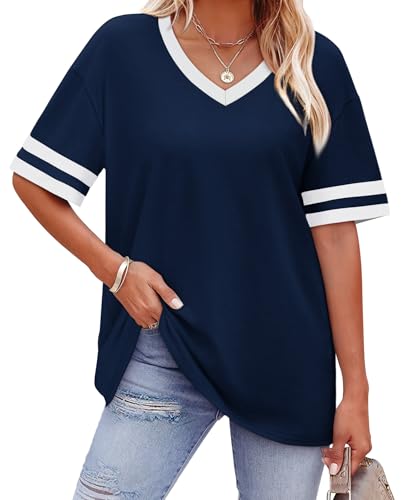
Start with the Right Proportions
For petite frames, the goal is to create a continuous vertical line. Avoid horizontal breaks that chop you in half. choose high-waisted bottoms (jeans, trousers, skirts) that sit at your natural waist. Pair them with cropped or tucked-in tops so the waist is visible. hemlines matter: pants should end at your ankle or be hemmed to show a sliver of skin; skirts work best at knee-length or just above. Midi skirts can work if they hit mid-calf, but only with a heel or nude shoe to avoid stumpy legs. Stick to monochromatic or tonal color schemes (all navy, all camel, all black) to visually elongate. For contrast, keep top and bottom in the same color family, like light blue denim with a white top. Avoid bold prints unless they are small-scale; large florals or wide stripes will overwhelm.
Key Pieces: Blazers, Denim, and Tops
A cropped blazer (ending at hip bone) is a capsule must. Look for one with a short, boxy cut and narrow lapels; avoid long, oversized styles. layer it over a simple shell or V-neck tee. For jeans, choose straight-leg or skinny cuts in a dark wash. High-rise (9-10 inch rise) with no distressing keeps the line clean. Avoid wide-leg pants unless they are cropped and paired with heels. For tops, V-necks and scoop necks are your best friend-they lengthen the neck and torso. Boatnecks or high turtlenecks can work if the fabric is lightweight (cashmere, fine knit) and the fit is trim. Sleeve length: three-quarter sleeves create a leaner line than full length. Avoid drop shoulders or bishop sleeves; they add width. T-shirts should be crewneck or V-neck, not oversized. Tuck them in or knot at the waist.
Dresses and Skirts: Maximize Vertical Lines
For dresses, a wrap dress or shift dress with a defined waist is ideal. Hem should hit just above the knee. Vertical details (seams, button plackets, princess seams) visually stretch. Avoid dropped waist or babydoll cuts that hide your shape. Skirt choices: a-line miniskirt worn with a fitted top and high heels can elongate legs. For midi skirts, choose a slit (front or side) that flashes a bit of leg. Fabric: lightweight wool, silk, or cotton that drapes; stiff fabrics like leather or heavy denim can add bulk. Color: dark solids or small prints. Always hem skirts to your precise length. A tailor is your best investment.
Footwear and Accessories
Nude shoes (pointed or almond toe) blend with your skin tone and extend the leg line. For pants, wear shoes that match the pant color (e.g., black pants with black loafers). Ankle straps can break the leg line, so choose pumps or d’orsay flats. Heels are optional but 2-3 inch block heels add height without discomfort. Booties: bare ankle or paired with cropped pants; avoid bunching at the ankle. Accessories: use thin belts at the waist to define. Bags: small to medium crossbody or clutch; avoid large totes that visually drag you down. Jewelry: long necklaces that fall to the sternum or longer (but not past your navel). Scarves: narrow silk scarves tied loosely; avoid chunky knits around the neck. Hats: fedora or beret worn at an angle; avoid wide brims.
How to Adapt Trends for Petite Frames
Trends like wide-leg pants can work if they are high-waisted and cropped to show ankle, paired with a heel and a fitted top. Oversized coats: choose a short, boxy style (hip length) instead of full-length. Layering: keep layers close to the body; a thin turtleneck under a V-neck cashmere cardigan works. For prints, choose small, dense patterns like micro florals or pin dots. A monochrome ensemble with a single pop of color (red shoes or bag) is effective. Avoid extreme cuts for shoulders (cap sleeves can cut arm width). Always check fit in a full-length mirror: if a piece visually shortens or widens you, skip it. Tailoring is key. A 5-foot-2 frame can rock any trend with proper proportions.
Color Palette and Fabric Guide
Stick to a neutral base: black, navy, gray, beige, olive, burgundy, dark denim. Add one or two accent colors (like blush, cobalt, camel) for tops or accessories. Monochromatic dressing: all black, all navy, or all cream creates a seamless line. Fabric: choose lightweight materials that don’t cling or add bulk: silk, fine cotton, merino wool, ponte knit, crepe. Avoid heavy tweed, thick cable knits, or double-layered fabrics. Texture can add interest without breaking the line: subtle ribbing, micro checks, or satin finishes. Pattern: vertical stripes (pin stripes, thin pinstripes) are ideal. Avoid horizontal stripes unless you’re going for a casual look and the stripes are thin and you choose a top only. For stripes, a vertical stripe dress with a solid cardigan works well. Accessories in a contrast color can draw the eye upward: a bright red lip, a statement necklace at the collarbone. Heels: if you wear flats, choose pointed-toe ballet flats or loafers, not round-toe. In colder weather, a long coat should end at knee or just above; avoid floor-length. A trench coat with a belt is great. Remember: less is more. A streamlined closet of 20-25 pieces that mix and match will serve you better than a cluttered one with ill-fitting items. Stick to what works, and you’ll always look taller, leaner, and polished.
Putting It All Together
Start with a foundation piece like a pair of high-waisted straight-leg jeans (dark wash) and a cream V-neck sweater. Add a cropped blazer in navy. Finish with nude pointed flats. This outfit gives you a tall, confident line. For work, a navy sheath dress hemmed to the knee, a black thin belt, and black pumps. For weekend, olive high-waisted cargo pants (cropped), white crewneck tee tucked in, and white sneakers (low top). Each piece can be styled multiple ways. The key is fit: every item should hit at perfect points on your body. Invest in a good tailor for hems, waist tucks, and sleeve lengths. With these capsule basics, you’ll never have a bad outfit. Remember: you don’t need height to have style. Proportion is everything.
Key Takeaway
Prioritize high-waisted bottoms, cropped tops, and monochromatic colors to create an unbroken vertical line that elongates your frame.