Build Your Foundation: The Core Pieces
For the best men’s business casual outfits, start with a tailored fit chino in navy or khaki. These two colors work with everything. Choose a midweight cotton twill (around 280-320 gsm) for structure without stiffness. Avoid jeans, even dark wash ones, unless your office explicitly allows them. For shirts, a cotton-linen blend in light blue or white is ideal: it breathes, resists wrinkles, and looks crisp. Ensure the shirt collar fits snugly without gaping, and the shoulder seam aligns with your natural shoulder. A navy blazer in a hopsack or tropical wool (no more than 60% wool for warmth) adds instant polish. It should button easily without pulling.
Layer Strategically: Sweaters and Jackets
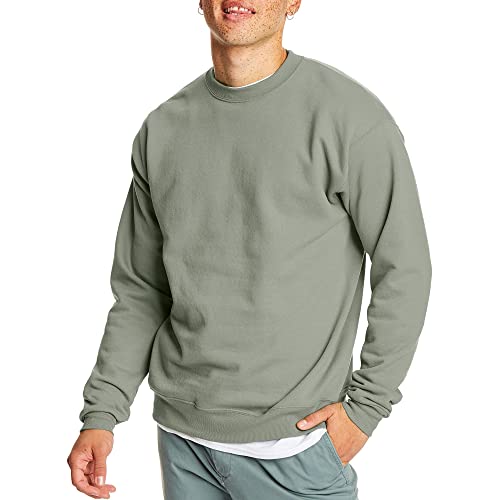
In cooler months, layer a fine-gauge merino wool crewneck sweater in charcoal or burgundy over your button-down. The sweater should be thin enough to tuck easily into your chinos. Alternatively, a wool-cotton blend cardigan in heathered grey works as a jacket substitute. For a more structured option, a field jacket in olive cotton canvas (unlined or lightly lined) adds texture without formality. Avoid hoodies or fleece; they read as casual.
Choose the Right Footwear: Shoes Make the Outfit
Shoes determine the formality level. For business casual, suede derbies or chukka boots in dark brown or tan are ideal. They are comfortable, versatile, and less formal than oxfords. Pair them with no-show socks in moisture-wicking cotton. For warmer weather, penny loafers in tan leather or suede work well. Avoid athletic sneakers, but clean white minimal leather sneakers (like court-style) can be acceptable in creative offices. If in doubt, choose a darker shoe color for more formal settings.
Accessorize with Purpose: Belts, Watches, and Bags
A leather belt in the same color as your shoes ties the outfit together. Choose a width of 1.25 to 1.5 inches for a balanced look. For watches, a simple stainless steel or leather strap watch with a white or blue dial adds sophistication. Avoid chunky dive watches or smartwatches with bright bands. A leather duffle bag or canvas tote in tan or olive complements the outfit better than a briefcase. Keep accessories minimal: one bracelet or a simple ring is fine.
Master the Details: Fits, Fabrics, and Colors
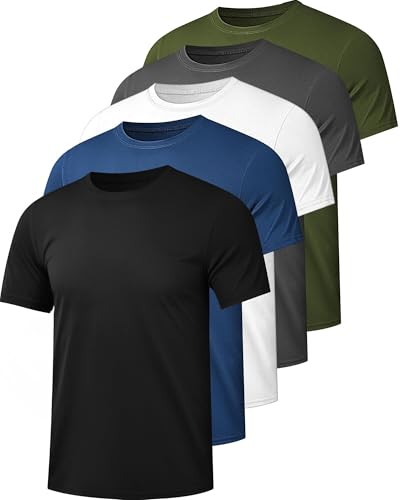
Focus on proportions. Chinos should break slightly at the ankle (no stacks). Sleeve cuffs should end at your wrist bone. The blazer sleeve should show 1/4 to 1/2 inch of shirt cuff. Choose wrinkle-resistant fabrics: cotton with a touch of elastane (2-3%) for chinos, and a cotton-polyester blend for shirts if you dislike ironing. Color-wise, stick to a palette of navy, grey, olive, burgundy, and white. These mix and match easily. For a pop of color, add a pocket square in a subtle pattern or a striped tie in navy and white.
Seasonal Swaps: Adapting Through the Year
In summer, swap chinos for cotton trousers in lighter shades like stone or sage. Wear short-sleeve linen button-downs in white or pale blue, untucked but hemmed to mid-hip. In winter, layer a cashmere-blend turtleneck under a blazer for warmth. Switch to wool dress trousers in charcoal or dark grey, and wear leather boots with a rubber sole for grip. Transitional seasons call for a cotton trucker jacket in a neutral shade over your shirt.
Outfit Formulas for Quick Assembly
For a classic Monday meeting: navy chinos, light blue button-down, dark brown suede derbies, and a navy blazer. For a casual Friday: khaki chinos, a white linen shirt (sleeves rolled), and taupe penny loafers. For an after-work event: charcoal chinos, burgundy merino sweater, and black leather derbies. Always check the fit: clothes should skim your body, not hug or hang.
Key Takeaway
Invest in a navy blazer, two pairs of tailored chinos (navy and khaki), and quality suede derbies for a versatile business casual wardrobe.