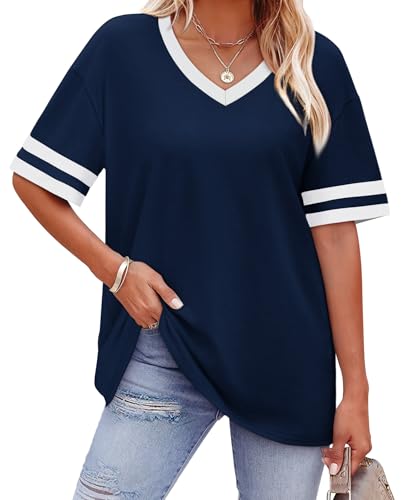
Start with one color, then play with tones and textures
The easiest way to nail monochrome is to pick a single color and use it in three to five different shades. For example, a head-to-toe cream outfit can include a silk charmeuse blouse in ivory, tailored wool trousers in oatmeal, and a cashmere-blend coat in camel. The key is to vary the texture: matte knits, glossy silks, napped wools, and smooth leathers all read differently even in the same color family. This creates visual interest without adding contrast.
Build around your best neutral: black, navy, or gray
Black monochrome is the ultimate power move. Start with a matte black turtleneck in fine-gauge merino or cashmere. Pair it with high-waisted black trousers in a different finish - like a stretch wool crepe with a slight sheen. Add a leather jacket in black with a soft, pebbled texture. Finish with black suede ankle boots and a black structured tote. The textures do the work: ribbed knit, smooth crepe, pebbled leather, suede nap. Avoid glossy accessories unless you want a night-out look.
Navy monochrome feels sophisticated and less severe than black. Try a striped navy cotton button-down, a navy blazer in a textured hopsack weave, and wide-leg navy linen trousers. Add navy patent leather loafers for a subtle shine. Keep proportions balanced: slim top with wider pants, or a looser top with slim trousers. For gray, combine a heathered charcoal sweatshirt with slate gray tailored trousers and a textured gray wool overcoat. Use silver or pewter accessories sparingly.
For color lovers: try tonal pink, blue, or green
Monochrome doesn’t have to mean neutrals. A tonal pink outfit can be incredibly chic. Begin with a dusty rose linen button-down, layer a blush pink cashmere cardigan over it, and wear pale pink wide-leg trousers. Add a pair of mule heels in a deeper rose. The progression from light to medium to slightly deeper pink creates a cohesive gradient. For blue, start with a denim blue chambray shirt, add a mid-blue knit vest, and finish with navy cargo pants. The mix of denim, knit, and cotton twill keeps it interesting.
Green is a surprisingly wearable monochrome choice. Pair a sage green silk shell with olive green utility trousers and a forest green trench coat. The contrast of shiny silk, sturdy cotton twill, and matte gabardine adds depth. For a more casual take, try a mint green sweatshirt with khaki green cargo pants and a pale green baseball cap. Keep sneakers in a similar green tone or go with white for a small break - but note that white breaks monochrome strictness. For a true monochrome look, everything should be in the green family.
Accessorize sparingly and keep it tonal
Accessories can make or break a monochrome outfit. The rule is to keep them in the same color family but in different textures or finishes. For a beige outfit, choose a woven raffia bag, a tortoiseshell belt, and matte gold earrings. For a gray outfit, use silver, gunmetal, or hematite tones. Avoid bright hardware or contrasting leathers. A black bag with silver hardware is fine for a black outfit, but for navy, use brass or bronze hardware. Shoes should also follow the color rule: if you wear black from top to bottom, black shoes; if you gray, gray shoes. A slight variation in shade is okay - like dove gray sneakers with charcoal pants - but avoid stark contrast.
Proportion play is essential for visual balance
Monochrome can flatten your shape if all pieces are the same silhouette and weight. Mix volumes: pair a slim turtleneck with wide-leg trousers or an oversized blazer with skinny jeans. If you wear a long coat, make sure the hemline is longer than your top or dress for a clean line. For petite frames, keep proportions closer to the body - cropped trousers, fitted tops, and a shorter jacket. For taller frames, play with longer lengths and layering. Remember, the eye travels along the uninterrupted line of color, so a well-proportioned outfit looks taller and leaner.
Layering for depth and dimension
The best monochrome outfits have at least three layers. Start with a base layer like a fitted tee or turtleneck. Add a mid layer like a cardigan, blazer, or shirt. Finish with an outer layer like a coat, trench, or jacket. Each layer should be a slightly different shade of your chosen color. For example, a cream silk cami, a beige linen blazer, and a taupe wool coat. If all layers are the same shade, the outfit can look flat. Use a lighter shade on top and darker on bottom, or vice versa, to create a natural gradient. Fabrics matter: mix matte and sheen, smooth and textured, lightweight and heavy.
Do not overthink it: start with what you own
You likely already have the pieces for a monochrome outfit. Look at your closet for items in the same color family. Try a white button-down, ivory jeans, and a cream cardigan. The different shades of white/cream will read as intentional. For a more polished look, add a beige trench or a pair of nude heels. If you only have one shade of a color, use texture to differentiate: a ribbed knit top, a smooth matte skirt, and a patent belt. The key is to avoid patterns or logos that break the color line. Stick to solids, and you are good to go.
Key Takeaway
Stick to one color, vary shades and textures, mix proportions, and keep accessories tonal for a sleek monochrome look.