The Best Sweatshirts for Men: A Practical Guide
The best sweatshirt for you depends on your fit preference and intended use. To cut through the noise, focus on three core criteria: fabric weight, silhouette, and seam construction. A 12-ounce or heavier cotton fleece will hold its shape and resist pilling. Look for set-in sleeves (rather than raglan) for a more tailored shoulder line. Choose a ribbed hem and cuffs that are snug but not tight, and ensure the collar band lies flat against the neck. Avoid shiny polyester blends or flimsy jersey knits , they pill and lose shape after one wash.
Sweatshirt Fabrics: What to Choose and Why
Cotton fleece is the gold standard. A loopwheeled or brushed fleece (like from Merz b. Schwanen or The Real McCoy’s) offers a soft interior and structured outer face. French terry is lighter and works well for layering under a denim jacket. For transitional weather, a cotton-poly blend (60/40) adds durability without the synthetic sheen. Steer clear of 100% polyester: it traps heat, looks cheap, and can’t be tailored. Heavyweight options (13-16 oz.) drape better and last years. A midweight (10-12 oz.) is versatile for most climates.
Fit and Silhouette: Getting It Right
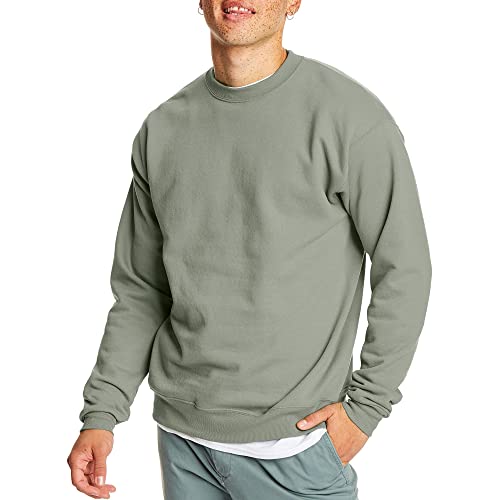
Sweatshirts should fit closely at the shoulders and chest, with a slight ease through the body. The hem should hit at the waistband of your trousers , not covering your fly. Sleeves should end at the base of your thumb; if they go past the first knuckle, it’s too long. Avoid baggy or oversized cuts unless you’re deliberately channeling ’90s hip-hop (which requires precise styling with tapered pants and clean sneakers). A classic or regular fit is safest. For a more modern look, try a cropped sweatshirt that ends an inch above the hip. Pair it with high-waisted trousers or straight-leg jeans to balance proportions.
Styling Sweatshirts: Casual to Smart-Casual
For a weekend look, wear a heathered grey or navy sweatshirt with raw denim and white leather sneakers. Layer a plain cream or black sweatshirt under an unbuttoned denim jacket or chore coat , let the collar and cuffs peek out. For a smart-casual outfit (think dinner or drinks), choose a charcoal top with minimal branding. Tuck the front hem slightly into tailored chinos and add suede Chelsea boots. Avoid pairing a sweatshirt with a tie or formal blazer , it clashes. Instead, try a wool blazer with unstructured shoulders and a textured sweatshirt (like a loopwheeled oatmeal shade). Keep the look relaxed: no structured shoes.
Best Colors and Patterns
Start with a neutral foundation: heather grey, navy, black, and olive. These work with any bottom and shoe. For a pop, try a muted rust, forest green, or burgundy , they’re rich without being loud. Avoid bright logos or slogans unless you’re going for a streetwear look (and even then, keep the rest minimal). Patterns? A subtle stripe at the cuffs or a small contrast collar band is fine. Save bold patterns for outerwear. Texture is your secret weapon: a waffle-knit or slub fleece adds visual interest without pattern.
Care and Longevity
Wash your sweatshirt inside out in cold water on a gentle cycle. Hang to dry , a tumble dryer shrinks cotton and ruins the shape. To soften fleece, add half a cup of white vinegar to the rinse cycle (it won’t smell after drying). Store folded, not hung, to avoid stretching the shoulders. If you buy heavyweight fleece, it will need a few wears to break in , expect some initial stiffness. After 3-5 washes, it will mold to your body. With proper care, a good sweatshirt lasts 5-10 years.
Key Takeaway
Invest in a heavyweight cotton fleece sweatshirt in a neutral color; style it with tapered trousers and leather sneakers for an elevated casual look.