Start with a Capsule Wardrobe Foundation
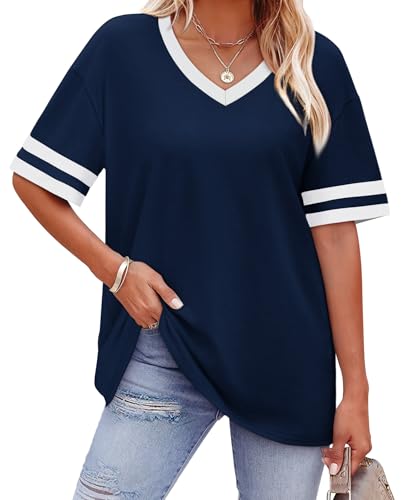
The smartest way to build a wardrobe on minimum wage is to start with a capsule collection of 10-15 versatile pieces that mix and match effortlessly. Focus on neutral colors like navy, black, gray, and cream, which create a cohesive base. For example, a pair of well-fitting dark wash jeans, a black crewneck sweater, a white button-down shirt, and a gray cardigan can be combined in over a dozen ways. Choose fabrics that last: cotton twill, merino wool blends, and sturdy denim. Avoid trendy cuts like extreme wide-leg or tiny crop tops, instead pick straight-leg jeans and midi skirts that flatter most body types. Proportions matter - pair a fitted top with a looser bottom, or vice versa, to create visual balance. A simple rule: if you wear a loose silhouette on top (like an oversized sweater), balance it with slim pants; if you wear a flared skirt, tuck in a slim top.
Thrift and Secondhand: Your Best Friend
Thrift stores, consignment shops, and online resale platforms are goldmines for building a wardrobe on a budget. Look for classic pieces with timeless tailoring: blazers with structured shoulders, wool trousers, silk blouses, and leather belts. Check for fabric content labels - 100% cotton, linen, and wool are worth the hunt. When thrifting, inspect seams for loose threads, zippers for function, and underarms for stains. A good trick: turn the garment inside out to see the true color and wear. Color strategy - stick to your neutral base but add one or two accent colors like burgundy, forest green, or mustard. These pieces can be the twist in an otherwise neutral outfit. For example, a burgundy turtleneck under a gray blazer with jeans creates a polished look. Avoid overly decorative pieces (excessive ruffles, sequins) unless you have a specific event.
Invest in Footwear and Outerwear
Your shoes and coat are the most-worn items, so allocate slightly more of your budget here. Look for a pair of black or brown leather ankle boots (with a low block heel for comfort) that work with dresses, skirts, and pants. A pair of clean white sneakers (canvas or leather) is another essential - they can dress down a midi skirt or add contrast to dark denim. For outerwear, a classic trench coat in khaki or a navy wool pea coat will last years. Choose a length that hits above the knee for versatility. Avoid puffer coats unless you live in extreme cold - they can be dated. A denim jacket is a budget-friendly alternative that works spring through fall. For proportions, if your coat is voluminous, keep your outfit slim underneath; if it's fitted, you can layer a chunky sweater.
Accessorize with Intention
Accessories are the cheapest way to refresh your wardrobe. Start with a simple leather belt (black or brown) that matches your shoe color - this ties an outfit together. A silk scarf in a neutral print (like polka dots or stripes) can be worn around the neck, as a headband, or tied to a bag. Choose jewelry in one metal tone: gold or silver. A thin chain necklace and small hoop earrings go with everything. For proportions, wear a belt at your natural waist to define your shape, or a scarf loosely tied to add a soft focal point. Limit yourself to three accessories per outfit to avoid clutter.
Master the Art of Layering
Layering maximizes your limited pieces. Start with a thin base layer (a cotton t-shirt or tank), add a mid layer (button-down or sweater), and top with an outer layer (jacket or cardigan). Mix textures for visual interest: a chunky knit over a smooth silk top, or denim jacket over a ribbed turtleneck. Color blocking in neutral shades (e.g., cream, beige, brown) creates a monochromatic look that appears intentional. If you use a pop of color, place it near your face - like a bright scarf or a colored top - to draw attention upward. Remember the rule of thirds: visually break your outfit into three horizontal blocks - for example, a top, a high-waisted skirt, and a long cardigan - to elongate your silhouette.
Maintain and Edit Regularly
Make your clothes last by washing in cold water and air drying. Use a fabric shaver to remove pills from sweaters. Every season, do a quick edit: donate or sell anything unworn in 6 months. This keeps your wardrobe lean and functional. Stick to your color palette and silhouette shapes - if a piece doesn't match at least three other items, skip it. A great question to ask: "Would I wear this with my favorite jeans and sneakers?â" If no, reconsider.
Key Takeaway
Stick to a neutral color palette, invest in fit and fabric over trends, and thrift for high-quality basics – this strategy builds a polished wardrobe that looks far more expensive than it is.