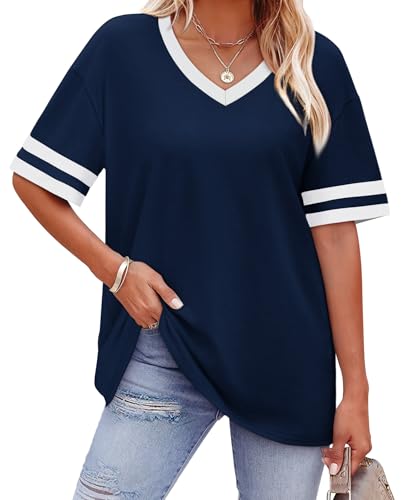
Start with strategic silhouettes: V-necks and structured tops
For an apple-shaped body (carrying weight around the midsection), the key is to create a vertical line and draw the eye upward or outward. Start with a V-neck blouse or wrap top in a dark, solid color like charcoal, navy, or deep burgundy. The V-neck elongates the neck and torso, while the dark shade minimizes the midsection. Look for tops with a slight stretch (think ponte knit or a cotton-spandex blend) that skim the body without clinging. Avoid high-neck crewnecks or turtlenecks, which can shorten the torso. Pair with a structured blazer in a matching or complementary dark tone. The blazer should hit at the hip to cover the waist; a single-breasted style with a gentle waist seam (not too fitted) works best. For example, a black ponte knit V-neck top under a charcoal blazer instantly streamlines the silhouette.
Define the waist without drawing attention: Cinch with outerwear and accessories
Instead of a belt directly on the waist (which can highlight fullness), use a long, unbuttoned cardigan or a duster coat in a vertical pattern (thin pinstripes or subtle vertical ribs). This creates a long line that visually slims. If you want to define your waist, choose a blazer or jacket that has a slight peplum (a subtle flare at the hip) in a dark color. This adds shape without pinching. Another trick: wear a long necklace (like a 28-inch pendant) that lands below the bust, drawing the eye down the center. For trousers, opt for mid-rise straight-leg or bootcut styles in dark wash denim or ponte fabric. The slight flare at the bottom balances broader shoulders or upper body. Avoid high-waist pants that cut across the midsection; mid-rise is your friend. A example outfit: a navy V-neck shell, a black peplum blazer, and dark bootcut trousers. The peplum adds definition, the V-neck lengthens, and the bootcut balances.
Bottoms that balance: A-line skirts and dark trousers
Skirts are a great option for apple shapes, but choose wisely. A-line skirts (not too full, like a structured pencil shape with a slight flare) in heavy fabrics like wool crepe or scuba knit work well. The A-line skims over the midsection and flares slightly at the hem, creating a balanced silhouette. Pair with a blouse that has vertical details (like pintucks or a subtle stripe) tucked in loosely. If you tuck, do a half-tuck to avoid bulk at the waist. For example, a burgundy V-neck shell tucked into a black A-line skirt (knee-length) with black opaque tights and pointed-toe flats - the pointy toe lengthens the legs. Trousers should have a flat front (no pleats) and a mid-rise. Dark charcoal, black, or deep olive trousers in a stretch wool blend will hold their shape without creasing. Avoid paper-bag waists or side-tie belts that add bulk. Instead, wear a blazer that hits at the widest part of your hip to camouflage.
Color and print strategies: Monochrome and vertical accents
Monochromatic dressing is your secret weapon. Dress in one color from head to toe (e.g., all black, all navy, all charcoal) to create an unbroken vertical line. Use different shades of the same color for depth - like a charcoal blazer over a lighter grey top and black trousers. For prints, go for vertical stripes (narrow, not wide) or small-scale patterns that don’t overwhelm. Avoid large horizontal stripes, bold geometrics, or busy florals that can add width. Color-blocking can help too: wear a dark top and dark bottom but add a bright accessory - a coral scarf draped vertically, or a colorful pendant paired with a neutral base. Another tip: use a dark cardigan open over a lighter top - the dark vertical lines at the sides visually pare down the middle. For example, a camel blazer over a white V-neck tee and dark olive trousers: the light top in the center draws attention, the dark sides minimize width.
Fabrics that flatter: Structured knits and matte finishes
Fabric choice is crucial. Choose matte finishes over shiny (shiny attracts light and adds visual bulk). Look for fabrics with good drape but some structure: ponte knit, double-knit cotton, wool crepe, scuba knit. These hold your shape without being stiff. Tops should have a little stretch but not be clingy (avoid thin jersey or silk which can highlight every curve). Blazers should be tailored but not boxy - a soft-shouldered style in a textured wool or a boucle. For example, a ponte knit blazer (like a stretchy, thick fabric) will skim over your midsection and hold its shape all day. Avoid linen or chambray which wrinkle easily and can emphasize fullness. In summer, choose matte rayon blends or modal with a subtle drape. For pants, a stretch twill or gabardine works well - they have a bit of weight and don’t wrinkle. A specific outfit: a stretch cotton V-neck top in navy, a medium-weight wool blazer in charcoal, and ponte trousers in black. The matte fabrics absorb light, creating a slimming effect.
Finishing touches: Footwear and outerwear that extend the line
Shoes can make or break the silhouette. Pointed-toe pumps or flats (in nude or black) that match your pants or tights create a continuous leg line. Avoid ankle straps or chunky heels that cut off the line; opt for sleek, simple shapes. Heels are optional but even a low 2-inch block heel gives a lift. For outerwear, a long coat in a dark color (like a double-breasted trench or a wrap coat) that hits at or below the knee adds verticality. If you wear a shorter jacket, wear a scarf that hangs vertically. The scarf should be solid or thin-striped - no large patterns. Finally, hair: wearing hair up or back (like a low ponytail) can elongate the neck, while a side part creates asymmetry. These small adjustments add inches visually. For a full work outfit: a charcoal V-neck shell, a navy A-line skirt, black pointed-toe flats, and a long black cardigan. The cardigan unbuttoned creates vertical lines, the A-line skims the midsection, and the V-neck lengthens.
Key Takeaway
Lead with a V-neck and structured blazer in dark tones, then add A-line skirts or straight-leg trousers to balance your silhouette.