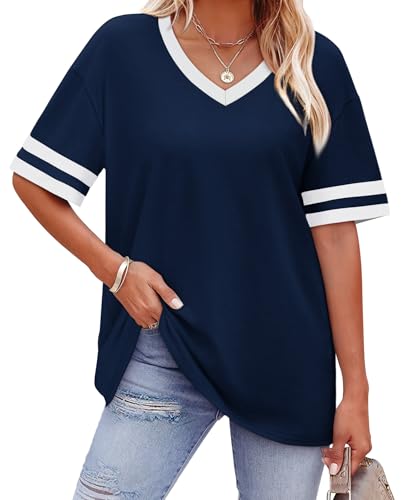
Start with a color and build tonal layers
Choose one color as your base. Neutrals like black, navy, camel, or gray are easiest. For a bolder look, try olive, burgundy, or blush. Now gather pieces in three to four shades of that color, from lightest to darkest. For example, pair a pale gray cashmere sweater with mid-gray wool trousers and a charcoal coat. The tonal shift creates depth without breaking the monochrome rule. Avoid exact matches; slight variations look intentional and sophisticated.
Mix textures for visual interest
When using one color, texture becomes your secret weapon. Combine smooth silk with chunky knits, polished leather with matte cotton, or glossy satin with nubby tweed. A cream outfit could include a ribbed turtleneck, fluid wide-leg pants, and a boucle jacket. The different surfaces catch light differently, preventing flatness. In all-black, try a patent leather shoe, a brushed cotton blazer, and a merino wool sweater. The contrast keeps the outfit dynamic.
Play with proportions to create shape
Monochrome can flatten your silhouette if everything is the same fit. Balance slim and voluminous pieces. Pair a fitted turtleneck with wide-leg trousers. Or try an oversized blazer over a body-con dress. For a skirt, choose a midi A-line with a tucked-in slim top. Avoid everything baggy or everything tight. The visual line is unbroken, but the shapes give structure. A cropped top with high-waisted pants is another proportional trick: it shows skin (or a sliver of contrast belt) to break up the color block.
Accessorize with restraint and intention
Keep accessories in the same color family. A belt, bag, and shoes should either match your outfit exactly or be a close tonal variation. For a gray outfit, a dove gray leather belt and a charcoal suede loafer work. In brown, a tan tote and dark chocolate ankle boots. Metallic accents like gold, silver, or pewter are fine as long as they repeat. Avoid a bright pop of another color; it disrupts the monochrome flow. If you need a break, stick to a small non-color like a clear resin or tortoiseshell hair clip.
Add contrast with one color family
Monochrome doesn’t have to mean strictly one color. You can stay within a color family that includes different hues. For example, a navy outfit can incorporate cobalt, teal, and indigo. An earth-tone monochrome could mix rust, terracotta, and ochre. This is a more forgiving approach for beginners. Combine a forest green sweater with olive cargo pants and a khaki trench. Keep the saturation similar; pastels with pastels, jewel tones with jewel tones. The rule is: all pieces should look like they belong to the same palette.
Nail the fit and finish
With a single color, every detail is magnified. Ensure your clothes are well-fitted. Loose hem, uneven cuffs, or pilling fabric stand out. Press your seams, check for lint, and keep shoes polished. Hem pants to the right length (no break for cropped, slight break for full length). If you wear a belt, it should match the shoe or bag in color and finish. The goal is a seamless, intentional look. A monochrome outfit that fits perfectly looks polished and expensive.
Key Takeaway
Build a monochrome outfit by choosing one color, varying its shades, mixing textures, and balancing proportions for a sleek, elongated look.