The Golden Rule: Fit is Everything
A $20 shirt that fits perfectly looks more expensive than a $200 shirt that’s too baggy. Your first step to smart dressing on a budget is getting clothes that skim your body without being tight. Shoulder seams should align with your shoulder bone, sleeves should end at your wrist bone, and trousers should break just above your shoes with no pooling. If something is off, find a local tailor for simple alterations (sleeve shortening, hemming, waist taking in) - this small investment transforms cheap clothes into custom-looking pieces.
Build a Capsule Wardrobe of Versatile Basics
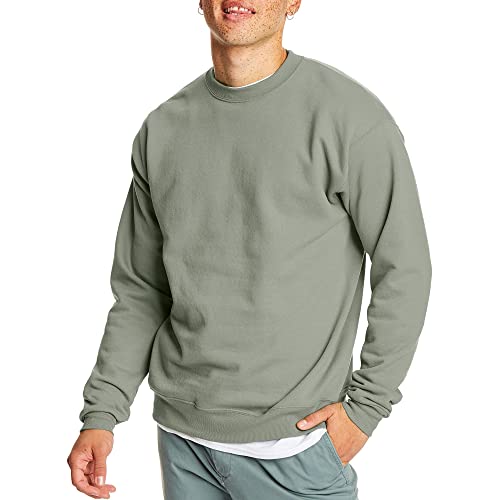
Instead of chasing trends, invest in a foundation of five key items that mix and match. Start with a navy blazer in a wool blend (look for secondhand or off-season sales). Pair it with charcoal or beige chinos that are slim but not skinny. A white Oxford cloth button-down, a light blue poplin shirt, and a grey merino wool crewneck sweater complete your base. These pieces work for interviews, dates, and casual Fridays. Rotate two pairs of well-fitted dark jeans (raw or rinsed) and one pair of tailored wool trousers for more formal occasions.
Master Color and Texture for Expensive-Looking Outfits
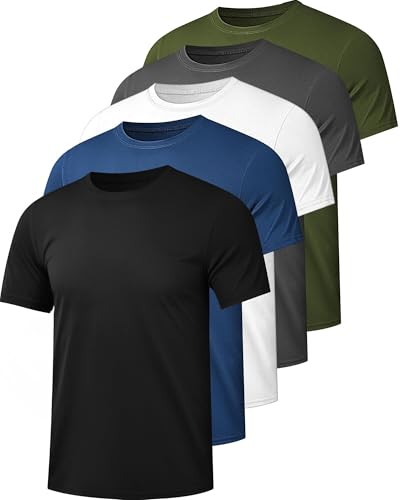
Smart styling is about visual interest, not cost. Stick to a palette of navy, grey, olive, white, and burgundy - these colors naturally read as sophisticated. Pair a navy blazer with a grey sweater and olive chinos for a tonal look that’s cohesive. Add texture through fabrics: a ribbed knit sweater, a twill blazer, or a brushed cotton shirt. Avoid synthetic blends that look shiny; opt for 100% cotton, wool, or linen (even cheap versions look better if they’re natural fibers). For shoes, brown leather loafers or desert boots in suede (try secondhand stores) elevate any outfit.
Smart Accessories That Don’t Cost a Fortune
Details make the difference. A navy patterned silk tie ($10-15 at thrift stores) adds class to a blazer. A simple watch with a leather strap (look for quartz models from Seiko or Timex) looks timeless. A leather belt in brown or black that matches your shoes ties the look together. Avoid large logos or flashy buckles. A pocket square in white or a subtle pattern (folded into a simple square) costs little but signals attention to detail. Finally, keep your shoes clean and conditioned - scuffed shoes undo all your hard work.
Shop Smart: Where to Find Bargains
Thrift stores and online secondhand platforms are goldmines for quality pieces. Look for brands like Brooks Brothers, J.Crew, or Banana Republic - their older lines used better fabrics. Check for stains, holes, or worn elbows, but minor issues are fixable. Off-season sales (buy summer in winter) at department stores can slash prices by 50-70%. Sign up for email alerts from stores you like. For shoes, outlet malls for brands like Clarks or Johnston & Murphy offer discounts on past seasons. Remember: one great $40 blazer beats five cheap $20 shirts that never get worn.
Conclusion: Dress with Confidence
Smart style isn’t about the price tag - it’s about intentionality. Stick to a cohesive color palette, prioritize fit, and choose quality over quantity. Your bank account stays happy, and you look like you just stepped out of a magazine. Start with the basics, then add personality through one or two accessories. You’ve got this.
Key Takeaway
Perfect fit and a cohesive neutral palette make any outfit look expensive, regardless of cost.