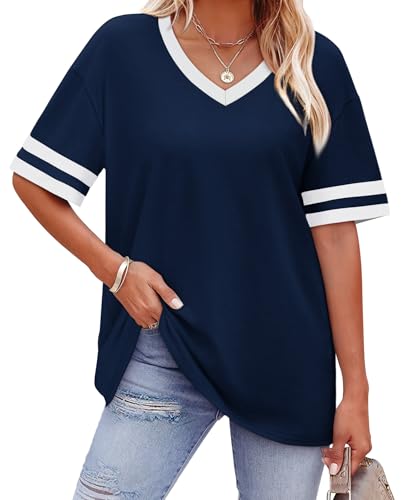
Start with a breathable base
For spring layering, begin with a thin, breathable fabric like a cotton tee, linen tank, or silk blouse. Avoid thick sweaters as a base; they add bulk. Stick to neutral colors such as white, cream, or light gray to keep the look fresh. A scoop neck or V-neck works well because it allows for a necklace or scarf later. For bottoms, choose lightweight trousers or a midi skirt in a forgiving material like crepe or Tencel. Denim is fine if it’s not too heavy (avoid rigid 14 oz+). The key is that your first layer should feel like a spring solo piece if you end up peeling off outer layers later.
Add a mid-layer for warmth and texture
Mid-layer is where versatility shines. Opt for a fine-gauge cashmere or merino wool sweater (not chunky), a lightweight cardigan, or a soft flannel shirt worn open. This layer adds warmth without overheating. Choose colors that contrast or complement your base: e.g., a pale pink cardigan over a white tee, or a navy merino crewneck over a light blue striped shirt. For a more polished look, try a structured vest (puffer or quilted) in a saturated jewel tone like emerald or sapphire. This mid-layer can be unbuttoned or draped over shoulders when the sun emerges.
Top with a transitional outer layer
Your outer layer should handle wind and light rain while being easy to carry. A cropped trench coat in khaki or black works over dresses and jeans alike. A leather jacket in cognac or black adds edge to florals. A lightweight bomber jacket in olive or navy is sporty and versatile. For a softer look, a longline open cardigan in a chunky knit (but not too heavy) can substitute. The silhouette rule: if your mid-layer is fitted, outer can be relaxed; if mid-layer is loose, outer should be cinched. Always check the fabric , a water-resistant shell is practical for unexpected showers.
Play with proportions and lengths
Spring layering is about balance. Pair a cropped jacket with a longer top or dress underneath (e.g., a cropped denim jacket over a knee-length slip dress). Or, if wearing a long trench, keep your lower half slim with skinny jeans or a pencil skirt. Avoid all bulky layers at once: one loose piece per outfit. For example, a loose linen blazer over a fitted sweater and straight-leg pants works. Also think about hemlines , a jacket that hits at the hip can visually cut your silhouette, so try a slightly longer or shorter option to elongate.
Accessorize for temperature control
Accessories are functional layering tools. A silk scarf tied around the neck adds a pop of color and can be removed. A lightweight wool or cashmere wrap (like a large square) doubles as a shawl. Footwear: ankle boots with thin socks are versatile; loafers or white sneakers work for milder days. For hands, a pair of leather gloves in a bright shade like canary yellow can be a statement. And a crossbody bag keeps your hands free for removing or adding layers.
Color and print mixing strategies
Spring is the season to experiment. Pair pastel tones like lavender and peach with neutrals. Try a striped mid-layer under a solid jacket, or a floral base peeking out from a solid cardigan. A good rule: three colors max per outfit, with one neutral. For prints, mix small-scale (like micro dots) with larger (like abstract florals) by keeping the color palette similar. Avoid competing busy patterns. When in doubt, a denim jacket over anything is a safe, cool transition piece.
Key Takeaway
Layer up to three lightweight pieces, with varying lengths and a fitted base, to master spring’s temperature swings without bulk.