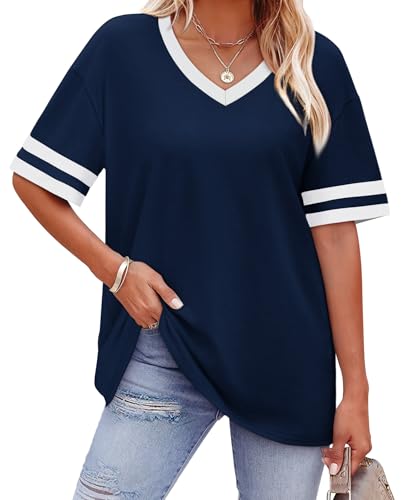
Navigating spring’s unpredictable weather often feels like a sartorial puzzle, but the secret to staying comfortable and stylish lies in mastering the art of layering. The key is to build your outfit strategically with adaptable pieces that can be added or removed as temperatures shift throughout the day, ensuring you’re prepared for crisp mornings, warm afternoons, and cooler evenings.
The Foundation: Start with Light Basics
Every successful layered look begins with a solid, breathable base. Think of this as your first line of defense against fluctuating temperatures. Opt for thin, natural fabrics that allow your skin to breathe and help regulate body temperature. Materials like cotton, modal, or a lightweight merino wool blend are excellent choices because they are soft, comfortable, and naturally wicking. A fitted long-sleeve tee in a neutral color like white, cream, or heather gray is a timeless starting point. Alternatively, a simple camisole or a thin, high-quality tank top can serve as a seamless base, especially when paired with a lightweight button-up shirt that can be worn open or closed. The goal here is comfort and a smooth silhouette, so avoid anything too bulky.
Strategic Mid-Layers: Adding Warmth and Style
Once your base is in place, it’s time to introduce your mid-layer, which serves a dual purpose: adding warmth and injecting personality into your ensemble. This is where you can play with different textures, colors, and patterns. A fine-knit cardigan in a soft pastel, like sage green or dusty rose, offers a gentle layer of warmth and a touch of elegance. For a more casual vibe, a classic chambray shirt or a lightweight denim button-up works beautifully over a simple tee, giving you the option to wear it open as a light jacket or buttoned up for a more polished look. Thin crew-neck or V-neck sweaters in cotton or a cashmere blend are also fantastic mid-layer options, providing warmth without unnecessary bulk. Consider a vest, whether a tailored knit vest or a lightweight puffer vest, for a trendy touch that keeps your core warm while allowing arm movement.
The Outer Shell: Versatile and Protective
The outermost layer is your shield against the elements, and in spring, versatility is paramount. You need something that can protect you from sudden breezes or light rain showers, but also be easily removed and carried when the sun shines. A classic trench coat is a spring layering hero, offering sophistication and a water-resistant barrier. Its timeless appeal means it pairs well with everything from casual denim to more formal dresses. A denim jacket is another indispensable piece, providing a casual cool factor and reliable warmth for milder days. For a more utilitarian aesthetic, a lightweight utility jacket with plenty of pockets is both practical and stylish. Look for options in breathable fabrics or with a slight water-resistant finish to truly embrace spring’s unpredictability.
Playing with Textures, Silhouettes, and Proportions
The magic of effective layering lies in creating visual interest by mixing different elements. Don’t be afraid to combine textures, for instance, a silky camisole under a fine-knit cardigan, topped with a structured denim jacket. This interplay of soft and rigid, smooth and textured, adds depth to your outfit. Pay attention to silhouettes and proportions as well. A longer tunic-style top can look fantastic peeking out from under a cropped denim jacket or a shorter cardigan, creating interesting length variations. Similarly, a fitted base layer under a slightly looser mid-layer and a structured outer layer creates a flattering, non-bulky profile. Experiment with high-low hems, wide-leg trousers with a more fitted top, or a flowy skirt anchored by a tailored jacket. These contrasts prevent your layered look from feeling shapeless or heavy.
The Power of Accessories: Function Meets Fashion
Accessories are not just adornments, they are vital components of successful spring layering. A lightweight scarf made of silk, linen, or a thin cotton blend can instantly add warmth to your neck and chest, and can be easily removed and tucked into a bag as the day warms up. It also adds a pop of color or pattern, elevating a simple outfit. Hats, like a stylish baseball cap or a classic fedora, can offer protection from sun or light rain, while also completing your look. Footwear choices are also critical; ankle boots are perfect for cooler mornings and can transition well into warmer afternoons, while stylish sneakers or loafers offer comfort and a relaxed yet polished vibe. A chic tote bag is essential for stashing those layers when they come off.
Mastering the Peel-Off Principle
Ultimately, the goal of layering for transitional spring weather is adaptability. You should be able to comfortably adjust your outfit throughout the day without feeling encumbered. This means choosing pieces that are easy to put on and take off. When you shed a layer, be ready to drape a cardigan over your arm, or fold a jacket neatly into a stylish tote bag. Practice makes perfect when it comes to quickly assessing the temperature and making adjustments. By building your outfits with this peel-off principle in mind, you’ll always be prepared, looking effortlessly chic and feeling perfectly comfortable, no matter what spring throws your way.
Key Takeaway
Build adaptable spring outfits by combining light, breathable base layers with versatile mid-layers and a functional outer shell, always ready to adjust to the day’s changing temperatures.