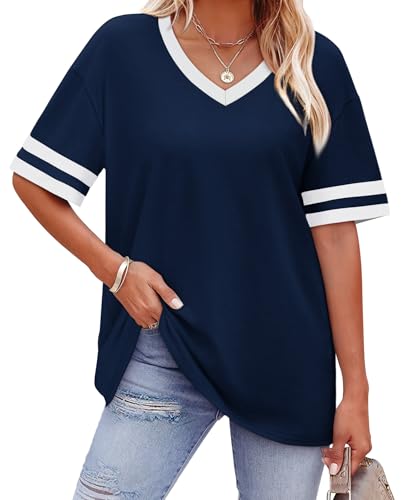
Start with a Skin-Tight Base Layer
The key to successful cold weather layering begins with what’s next to your skin. A lightweight, form-fitting base layer should wick moisture while retaining heat. Merino wool is your best friend here: it’s soft, breathable, and naturally anti-odor. Try a black or charcoal merino turtleneck under a cashmere crewneck or a silk thermal under a flannel shirt. Avoid cotton for the base layer because it traps moisture against your skin, making you cold. Synthetic options like poly-spandex blends work well too, but they lack the elegance of wool.
For a truly streamlined look, choose a base that matches your skin tone under sheer top layers, or use a contrast color like cream under a dark blazer for visual interest. Remember: the base layer should be snug but not restrictive. You should be able to move comfortably. If you can see the outline of your brastrap or waistband, size up 2-3 sizes from your typical bra size if wearing a fitted top.
Add an Insulating Mid-Layer
Your mid-layer is the workhorse of warmth. This piece should be slightly looser than the base layer, creating a pocket of air that traps heat. Classic options include a chunky cable-knit sweater, a cashmere crewneck, or a fleece pullover. For a more polished look, try a fine-gauge merino cardigan that can be buttoned up or left open. Proportions matter: if your base is a turtleneck, opt for a V-neck or crewneck sweater to avoid bulk at the neck.
Color-wise, stick to tonal or complementary palettes. A camel cashmere sweater over a white base with navy trousers creates a clean, sophisticated line. For a high-fashion edge, layer a cropped puffer vest over a denim shirt and under a long wool coat. The vest adds insulation without restricting arm movement.
Avoid mixing patterns at this stage unless you’re going for a bold statement. If you do, keep one pattern neutral and the other small-scale. For example, a tiny houndstooth mid-layer over a solid base works.
Finish with a Structured Outer Layer
The outermost layer should be wind-resistant and slightly roomy to accommodate the layers beneath. A classic wool coat, a down parka, or a tailored trench can seal in warmth. For extreme cold, a thigh-length puffer with a belted waist is both practical and chic. Look for details like ribbed cuffs, storm flaps, and a high collar to block drafts.
Silhouette is crucial: if your mid-layer is voluminous (like a big chunky knit), choose a clean, streamlined coat. Conversely, a slim turtleneck and skinny jeans can handle a cocoon-shaped coat. Pro tip: for a modern monochrome outfit, layer a cream cashmere turtleneck under a cream wool coat, then add a camel belt and boots for shape. The single-color palette elongates the body.
Always consider length. Your coat should be at least as long as your mid-layer to avoid awkward bumps. If your sweater is hip-length, your coat should hit mid-thigh or longer. Cropped jackets are best reserved for milder days or paired with high-waisted bottoms to avoid a frozen waistline.
Accessorize for Maximum Warmth and Style
Accessories are the unsung heroes of layering. A chunky knit scarf not only keeps your neck warm but can also be draped to add color. Try a camel or gray scarf with a black coat for a timeless look. Hats: a wool beret or a cashmere beanie looks elegant and warm. Avoid acrylic beanies that trap moisture.
Gloves: leather gloves with cashmere lining are both weather-appropriate and refined. For heavy snow, try insulated mittens worn over thin silk glove liners.
Footwear: ankle boots with thick socks? Make sure your socks are wool or cashmere, not cotton. Boots should have a rubber sole for traction. For a dressier option, wear knee-high boots over jeans or tights.
Belt: A wide leather belt worn over a coat or cardigan cinches the waist and prevents the outfit from looking like a shapeless blob. This works especially well with oversized outerwear.
Master the Art of Proportion and Color
The golden rule of layering: no bulk. You want to look cozy, not puffy. To achieve this, vary the weight of your layers. For example, a light base, medium mid-layer, and heavy outer layer. Or pair a heavy base with a light outer shell.
Color blocking can create visual interest without fuss. Try a palette of three colors: one neutral (black, gray, navy), one earth tone (olive, rust, camel), and one pop color (mustard, burgundy, teal). For instance, navy base, rust sweater, and gray coat. Or all black with a statement scarf.
Texture mixing adds depth: tweed coat over a smooth cashmere sweater. Leather pants with a wool top. Silk blouse under a chunky cardigan. Silhouettes: balance volume. If your bottom half is fitted (skinny jeans, leggings), your top half can be oversized. If you wear wide-leg trousers, keep the top fitted. A midi skirt with a sweater tucked in and a cropped jacket looks modern and layered.
Remember, layering is not about piling on your entire closet. Edit ruthlessly. You should be able to remove one layer and still look put together. A three-layer system is usually enough for most winter weather: base, mid, outer. Add a fourth for extreme cold (like a vest or a second mid-layer).
Key Takeaway
Stick to three layers (base, mid, outer) in lightweight, natural fibers like merino wool and cashmere, and play with proportions to stay warm without bulk.