Start with a Fitted Base Layer
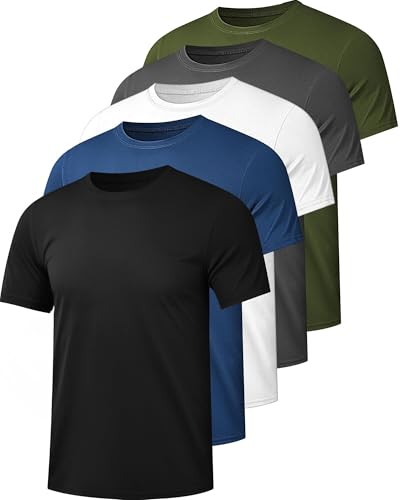
The foundation of any effective winter layer system is a snug base layer that wicks moisture away from your skin. Choose merino wool or a synthetic blend like polyester or nylon - avoid cotton because it retains sweat and makes you cold. For colors, go with neutral tones such as charcoal, navy, or cream; these hide sweat marks and work under anything. A crewneck or mock-neck works best for most outfits, but a quarter-zip adds ventilation options. Example: a thin merino crew in heathered gray under a flannel shirt, then a puffer vest.
Add an Insulating Midlayer
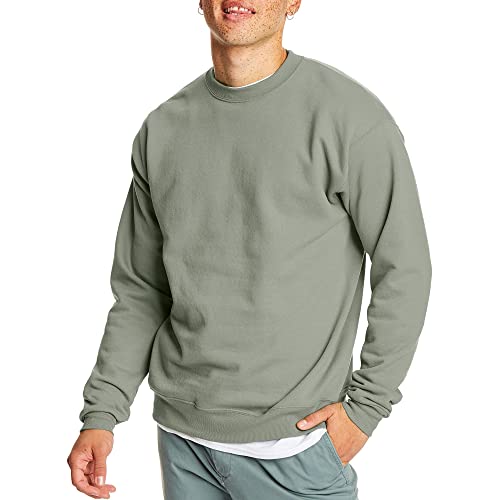
Your midlayer traps heat, so prioritize warmth without excessive bulk. Fine-gauge wool sweaters, cashmere-blend knits, fleece jackets, or down vests are excellent choices. For a streamlined silhouette, choose a midlayer that fits comfortably over your base layer but not too loose - you want to avoid the puffball effect. If you wear a sweater, tuck it slightly into your trousers to define your waist and create a longer line. Color-wise, go tonal: a navy sweater over a lighter blue base, or a burgundy fleece with a cream base. Example: a slim-fit shawl-collar cardigan in olive over a white merino crew, paired with dark denim.
Finish with a Weatherproof Shell
Your outer layer blocks wind, rain, and snow. A wool overcoat, waxed cotton jacket, or insulated parka work well. For a classic look, choose a single-breasted overcoat in camel or charcoal that hits at or below the knee. For more movement, a quilted down jacket or a technical shell with a small hood keeps you warm without restricting motion. Make sure the shell fits over your midlayer without pulling at the shoulders - sleeve length should allow your shirt cuff to peek out half an inch. Example: a dark green waxed field jacket over a chunky cable-knit sweater.
Accessorize for Maximum Warmth
Accessories complete the layer system and let you adjust on the fly. A wool scarf (cashmere or lambswool in a solid color) adds polish and traps heat at the neck. Leather gloves lined with fleece or cashmere keep hands warm without bulk - choose black or brown matching your shoes. A beanie in a ribbed knit in a neutral shade pairs with most outfits. For your feet, mid-calf merino wool socks prevent cold ankles and pair well with boots. Example: a navy cashmere scarf, tan leather gloves, and a charcoal beanie.
Balancing Proportions and Silhouettes
Avoid looking like the Michelin Man by mixing fitted and relaxed pieces. If your midlayer is chunky, choose a slim base and a leaner shell. If your shell is oversized, keep the midlayer thin. A general rule: no more than three visible layers (base, mid, shell) unless the extra is thin. For visual interest, add a shirt under a sweater and let the collar or cuffs show. Colors should follow a gradient - darkest on top or bottom, or stick to a monochromatic base with one accent. Example: black base, charcoal sweater, light gray coat, with a red scarf.
Outfit Combinations for Different Settings
- Casual weekend: Henley base, waffle-knit fleece midlayer, and a lined bomber jacket. Add raw denim and leather work boots.
- Smart-casual office: Light blue oxford cloth base, navy merino v-neck sweater, and a herringbone tweed blazer or overcoat. Wear tailored wool trousers and derby shoes.
- Outdoor activities: Synthetic long-sleeve base, fleece or down midlayer, and a waterproof breathable shell (like Gore-Tex). Add hiking boots and a beanie.
- Formal occasion: Fine merino turtleneck base, a tailored wool overcoat in charcoal, and dress trousers. Use a scarf for extra warmth.
Fabrics to Choose and Avoid
- Choose: Merino wool, cashmere, alpaca for base and mid; down, primaloft for insulation; wool, waxed cotton, Gore-Tex for shells.
- Avoid: Cotton (doesn’t insulate when wet), low-pile synthetics (can look cheap), overly thick pile fleeces (too bulky under a coat).
Putting It All Together
Start with a base layer, add a midlayer, then a shell. Accessorize with scarf, gloves, and hat as needed. All layers should let you move comfortably. The key is fit, fabric, and color balance. Stick to neutrals and one accent - this makes mixing easier. With these tips, you’ll stay warm and look sharp all winter.
Key Takeaway
Choose merino base, fine-gauge midlayer, and structured shell in tonal neutrals; keep fits layered with no more than three visible pieces for warmth without bulk.