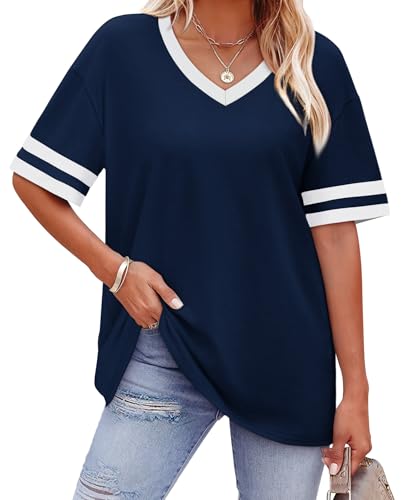
The secret to layering necklaces without tangling is to pick pieces with different chain lengths (at least 2-4 inches apart), complementary chain textures (cable, rolo, curb), and a secure clasp like a lobster or magnetic. Start with your shortest chain (16 inches) as a base, then add a 20-inch and 24-inch piece. For extra stability, wear a simple short choker or pendant-free chain as the bottom layer to anchor the others.
Choose the Right Chain Lengths and Textures
Layering works best when each chain is a distinct length. Common lengths are 16, 18, 20, 24, and 30 inches. Avoid two chains that are only 1 inch apart; they will slide over each other. Pair a 16-inch choker with a 20-inch rolo chain and a 24-inch cable chain. Chain texture matters too: a smooth cable chain won’t grip a curb chain as much as two identical cable chains. Mix a flat cable with a round rolo or a textured link.
Use a Magnetic Clasp or a Layering Clasp
Magnetic clasps make putting on and taking off layers effortless. For existing necklaces, add a magnetic extender or a layering clasp that holds multiple chains together at the back. Alternatively, use a small lobster claw to clip two chains together at the closure so they move as one. This reduces tangling because the chains can’t cross over each other behind your neck.
Anchor with a Short Simple Chain
The bottom layer should be a short, plain chain without a heavy pendant. A 14- to 16-inch cable chain or a thin rolo chain works well. This chain sits at your collarbone and acts as a base, preventing the next layer from flipping around. If you want to wear a pendant, put it on a longer chain (20+ inches) so it hangs below the anchor chain.
Avoid Tangle-Prone Pendants and Links
Oversized pendants or dangling charms can catch on other chains. Choose smaller, lightweight pendants (around 10-15mm) or wear them on the shortest layer. For a bohemian look, use a pendant that’s flat and thin so it slides smoothly over other chains. Avoid links with big gaps that other chains could slip through. Opt for closed links like cable, rolo, or curb.
Test the Order by Putting on the Shortest Last
Surprisingly, putting on the shortest chain last can reduce tangling. Start with your longest chain (e.g., 24 inches), then add the middle (20 inches), and finish with the shortest (16 inches). This way, each new chain slides over the earlier ones without catching. Also, store layers on a necklace tree or in a single pouch to prevent tangling when not worn.
Key Takeaway
Prevent tangling by choosing chains with at least 2 inches length difference, mixing textures, and using a clasp that holds multiple layers together.