Start with one designer piece
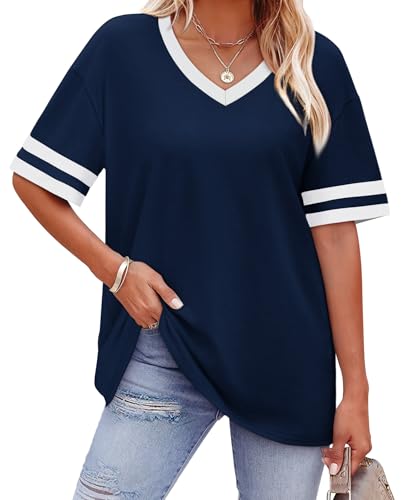
Pick one designer item - a blazer, handbag, shoes, or coat - and build the rest of your outfit around it using affordable basics. For example, pair a tailored wool blazer from a luxury brand with a simple cotton t-shirt and high-waisted denim from a fast-fashion retailer. The key is to keep the rest of your outfit in similar neutral tones. Choose a white tee and dark wash jeans if your blazer is black or navy. Avoid patterns on the affordable pieces when your designer item has a bold print or texture - let it be the star.
Balance proportions and silhouettes
High-low mixing works best when you balance shapes. If your designer piece is oversized (a slouchy coat or wide-leg trousers), pair it with slim or fitted affordable items - like a skintight turtleneck or skinny jeans. Conversely, if you invest in a structured designer handbag or tailored pants, balance it with a loose, casual top or relaxed blazer from a budget brand. For example, wear a silk designer blouse with inexpensive cargo pants and chunky sneakers, or a luxury belt with a plain linen dress. The contrast in silhouette creates intentional, modern style.
Focus on fabrics and textures
Fabric quality can make or break the high-low mix. Use a designer piece in a luxe fabric - cashmere, silk, fine wool, real leather - and pair it with affordable items in natural or high-quality synthetic blends that mimic luxury. For instance, wear a cashmere designer sweater with faux leather leggings or a silk top with heavy cotton denim. Avoid pairing expensive silk with cheap polyester that looks shiny or stiff. Instead, choose a cotton poplin skirt or a thick knit scarf. If your designer piece is patent leather shoes, wear them with matte fabric clothing - like a cotton dress or wool trousers. The contrast in sheen and hand feel adds depth without looking mismatched.
Stick to a cohesive color palette
Color coordination is crucial. Choose a limited palette of two to three colors - for example, all neutrals (black, white, beige, grey) or one color paired with denim or leather tones. If your designer piece is a bright red handbag, wear it with a simple black dress and nude flats - all from affordable brands. If you have a patterned designer scarf, pick one color from the pattern and use it in your cheap top or trousers. Avoid clashing hues or overly busy prints on the non-designer items. White and black are the safest base colors - they make any designer accessory pop.
Accessorize strategically
Wear one designer accessory - a belt, bag, shoes, or sunglasses - and keep the rest minimal. For example, a Gucci belt can elevate inexpensive black trousers and a white blouse. A luxury watch works well with a denim jacket and canvas sneakers. If your accessory is a statement bag, avoid wearing other jewelry or scarves that compete. The rule is: one high-end piece per outfit. Mix in budget-friendly items from Uniqlo, H&M, or Zara for the rest. This creates a curated, intentional look without appearing try-hard.
Invest in timeless designer basics
If you can, buy classic, timeless designer pieces that never go out of style - a trench coat, a leather tote, a black blazer, pearl studs, or simple leather loafers. These pieces will anchor countless cheap outfits. For instance, a Burberry trench over a cotton hoodie and leggings from Forever 21 looks effortlessly cool. A Chanel-style tweed jacket over a graphic tee and ripped jeans adds a touch of luxury to a streetwear vibe. The longevity of the designer piece justifies the cost, while the affordable pieces can be updated seasonally.
Key Takeaway
Always let one designer item anchor your outfit, balance proportions, and coordinate colors to seamlessly blend luxury with affordable basics.