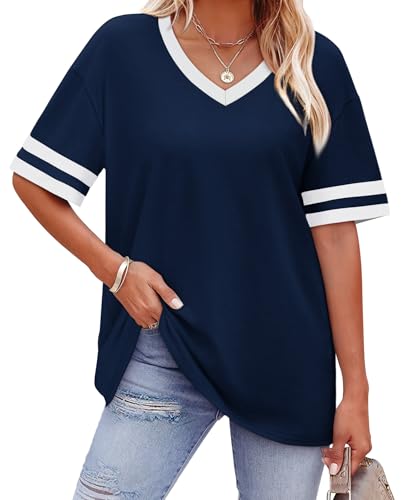
Mixing prints can elevate your style dramatically, transforming a simple outfit into a statement without looking chaotic if you follow a few foundational rules. The key is to create visual harmony and intentionality, rather than randomness.
The Golden Rule: Play with Scale and Dominance
The most effective way to mix prints without looking busy is to vary their scales significantly. Think of it as a duet, not a shouting match. Choose one print to be your dominant, larger, or bolder pattern, and then select a second, more subdued print to play a supporting role. For example, a wide striped top could be paired with a subtle, tiny floral skirt. Or, a bold, abstract art-inspired dress might be beautifully complemented by a small, delicate polka dot scarf. The contrast in size prevents the eye from getting overwhelmed, providing a clear focal point while allowing the secondary print to add depth and interest. Imagine a large scale plaid blazer over a narrow-striped shirt; the difference in the size of the lines creates distinct visual separation and prevents the two from clashing.
Master the Color Connection
Color is your most powerful tool in creating a cohesive mixed-print ensemble. The simplest method is to ensure that both prints share at least one common color. This creates an immediate visual link, making disparate patterns feel intentionally paired. For instance, if you have a vibrant floral blouse with shades of navy, green, and pink, you could pair it with a striped skirt that features navy and white. The shared navy anchors the look. Another strategy is to work within the same color family, using varying shades and tones, like mixing a leopard print (browns, blacks, tans) with a geometric pattern in creams and caramels. Alternatively, consider a monochromatic approach-mixing prints that are all in different shades of the same color, such as a black and grey houndstooth with a black and white pinstripe. This creates an elegant and sophisticated feel that is hard to get wrong.
Introduce a Neutral Ground
Sometimes, your prints just need a moment to breathe. Introducing a solid neutral element into your outfit can act as a palate cleanser, breaking up the visual intensity and allowing each print to shine without competing. A solid colored belt, a plain blazer, a simple tank top, or even solid colored accessories like a handbag or shoes, can create that much-needed visual pause. Consider a bold tropical print dress worn under a crisp white blazer, or a patterned top tucked into a solid-colored, high-waisted pant, topped with a different patterned scarf. Denim is an excellent neutral to ground almost any print combination. A chambray shirt, for example, can beautifully separate a floral skirt from a geometric jacket, making the overall look feel balanced and stylishly put-together.
Texture and Fabric: Your Secret Weapons
Beyond color and scale, playing with texture adds another layer of sophistication to your print mixing. Different fabric textures introduce visual interest without adding more patterns, preventing your outfit from looking flat or one-dimensional. Think about pairing a smooth, silky polka dot blouse with a tweed skirt in a subtle plaid, or a crisp cotton striped shirt with a textured, embroidered floral vest. The contrast in fabric hand and appearance creates a richer, more dynamic look. Matte finishes against subtle sheen, or chunky knits against delicate chiffons, can make even similar patterns distinct. This technique is especially useful when your prints are similar in scale or color; the textural difference provides the necessary separation and depth.
Silhouette and Proportions: The Unsung Heroes
The cut and fit of your garments play a crucial role in how mixed prints are perceived. Clean lines and well-defined silhouettes are essential to prevent an outfit from looking chaotic. If you’re mixing prints, try to keep the overall silhouette streamlined, or balance volume strategically. For instance, if you have a full, voluminous skirt in a bold print, pair it with a more fitted top, even if the top is also patterned. Conversely, a loose, flowy tunic in an abstract print could be balanced with slim-fit trousers featuring a subtle micro-pattern. Paying attention to where your clothes hit your body and how they drape can dramatically impact the harmony of your mixed print ensemble, ensuring that the prints enhance your figure rather than overwhelm it. A tailored jacket over a patterned dress and a patterned top, for example, can pull the whole look together with its structure.
When in Doubt, Start Small
If you are new to print mixing, there’s no need to dive straight into head-to-toe pattern play. Begin by incorporating prints through accessories. A patterned scarf, a statement handbag, or even a pair of printed shoes can add a touch of print without committing to a full outfit. Once you are comfortable, try pairing a simple striped T-shirt with a floral-print skirt, a classic and approachable combination. Or, use a patterned jacket as your main print over an otherwise solid outfit, and then introduce a subtle print through your blouse or tie. Starting small allows you to experiment with different combinations and build your confidence, gradually expanding your print-mixing repertoire until you are a master stylist.
Key Takeaway
Master print mixing by balancing scale, harmonizing colors, and using neutrals to create sophisticated, personal ensembles.