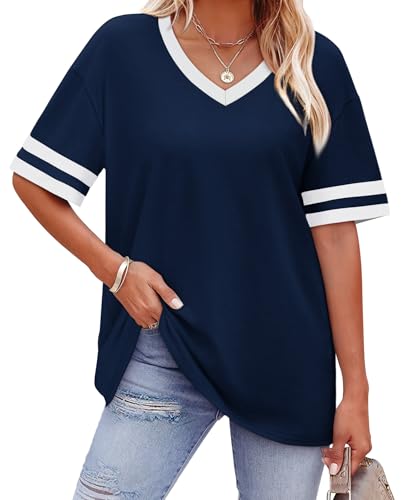
Choose the right fit and length
For petite women, the key to styling a blazer dress lies in the proportions. Look for a cropped blazer dress that hits above the knee - ideally 2-4 inches above. A hemline that ends at mid-thigh elongates your legs, whereas longer lengths can overwhelm a smaller frame. Opt for a tailored, structured fit rather than an oversized silhouette. A defined waist is crucial: single-breasted styles with a nipped-in waist or a removable belt work best. Avoid double-breasted cuts that add bulk. In terms of fabric, choose lightweight wool blends, crepe, or ponte knit - they drape well without adding volume. Steer clear of stiff tweeds or heavy upholstery-like materials.
Create vertical lines
Vertical details are your best friend. Look for blazer dresses with a deep V-neckline, a center front seam, or a column of buttons. These create an uninterrupted vertical line that makes you look taller. If your dress lacks these, add a long, thin pendant necklace that falls below the collarbone. Dark, monochromatic colors like navy, charcoal, black, or deep burgundy also enhance verticality. For a pop of color, choose a single bright hue like cobalt or emerald without patterns. If you prefer prints, go for small-scale vertical stripes or a subtle pinstripe - avoid large florals or horizontal bands.
Balance proportions with layering
Layering can work, but it must be strategic. Under the blazer dress, wear a fitted turtleneck or a sheer blouse in a matching or neutral tone. Avoid boxy or oversized tops that create bulk. For a sleeveless blazer dress, add a thin cardigan or a longline vest in the same color family. A cropped jacket over the blazer dress is a no-go - it cuts you in half. Instead, use a high-waisted wide-leg pantsuit underneath for a pantsuit-on-dress look, but only if the blazer dress is softly tailored and has a relaxed fit. Tights should be opaque and match your shoe color to continue the leg line.
Choose footwear wisely
Heels are your ally, but not all heels are equal. Nude pumps that match your skin tone are the most elongating because they trick the eye into seeing a continuous leg line. Pointed toes add inches, while round toes can shorten legs. For daytime, block heels under 3 inches are comfortable and still provide lift. Avoid ankle straps that break the visual line - if you must, choose a heel with a thin, clear strap. For a more casual approach, opt for pointed-toe flat mules or ballet flats with a nude finish. Knee-high boots can work if they are the same color as your dress or tights, and they should be slim-fitting, not slouchy.
Accessorize to draw the eye upward
Keep accessories minimal and focused on the upper body. Earrings should be small to medium hoops or studs - nothing too heavy or dangling that pulls your look down. A structured mini handbag in a contrasting color (like a bright red or white) worn crossbody at hip level can create a visual break. Scarves are tricky; if used, opt for a skinny silk scarf tied loosely at the neck. Avoid wide belts that cut your torso; instead, use a slender belt at your natural waist. For colder months, a long, slim wool coat that falls just below the blazer dress hem enhances height - avoid cropped or extremely long coats.
Styling for specific occasions
For the office: pair a navy blazer dress with a white button-down shirt underneath, add nude patent pumps, and wear a watch and simple studs. For a date night: choose a black crepe blazer dress with a deep V, wear strappy nude heels, and add a metallic clutch. For a weekend brunch: try a blush or soft pink blazer dress with a ribbed knit top underneath, white sneakers (low-top), and a crossbody bag. Avoid heavy jewelry, thick tights, or multiple layers that overwhelm your petite frame. The goal is a clean, streamlined look that highlights your assets without adding visual weight.
Key Takeaway
Choose a cropped, structured blazer dress in a dark solid color with vertical details and pair with nude pointed-toe heels to create a long, lean silhouette.