How to Style a Blazer for Men: A Practical Guide
A blazer is the Swiss Army knife of a man’s wardrobe. It can elevate a simple outfit to look polished without feeling overdressed. The key is in the details: fabric, fit, color, and how you pair it. Let’s cut to the chase.
1. Choose the Right Blazer Fabric and Fit
The foundation of a great blazer is its fabric and fit. For a casual look, go with unstructured blazers in cotton, linen, or wool blends. They have minimal padding, softer shoulders, and often patch pockets. A medium grey or navy cotton blazer is your most versatile option. For dressier occasions, a structured worsted wool blazer in navy or charcoal with a tighter weave and notch lapels works best.
Fit is non-negotiable. The shoulder seam should sit exactly at your shoulder bone; the sleeves should end at your wrist bone (showing 1/4 to 1/2 inch of shirt cuff). The blazer should button comfortably without pulling across the chest or waist. A modern slim fit is flattering, but avoid anything too tight. If you can, get it tailored for a perfect silhouette.
2. Pairing with Bottoms: Jeans, Chinos, and Trousers
The bottom half determines the overall vibe. For a smart-casual look, pair your blazer with dark indigo or black jeans (no rips or heavy fading). A mid-wash jean can work if the blazer is dark. For a more relaxed but put-together outfit, choose chinos. Beige, olive, or navy chinos complement a navy or grey blazer beautifully. Keep the chino fit slim but not skinny.
For a dressier ensemble, wear tailored trousers in wool or cotton. Match the blazer with trousers in a complementary color: grey blazer with charcoal trousers, navy blazer with light grey or khaki trousers. Avoid matching exactly (that’s a suit). The trousers should have a similar level of formality to the blazer. Cuffs on trousers add a classic touch.
3. Shirts and Knitwear: What to Wear Underneath
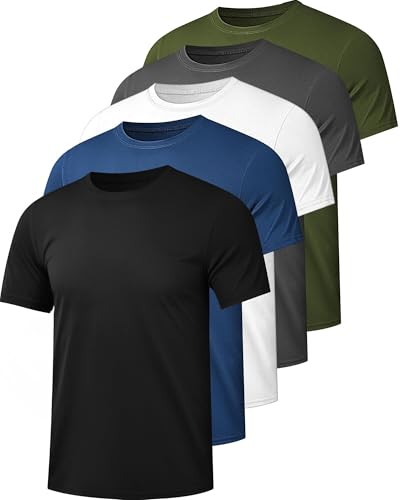
Your choice of shirt or knitwear sets the tone. For a crisp, polished look, a white or light blue Oxford cloth button-down is a failsafe. The collar should sit neatly under the blazer lapel. Unbutton the top button for a relaxed feel. For summer, a fine-gauge linen or cotton crew neck T-shirt in white, navy, or grey works surprisingly well with an unstructured blazer. Keep the T-shirt clean and well-fitted.
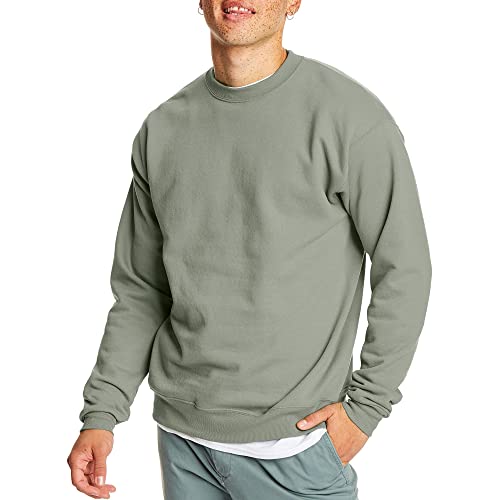
Knitwear adds texture and interest. A crew neck merino wool sweater in a solid color is a classic. For a preppy vibe, try a casual cotton knit like a cable knit or a shawl-collar cardigan worn under the blazer. Layering a sweater over a button-down and under a blazer is a sophisticated winter move. Stick to neutral or earthy tones that coordinate with the blazer.
4. Footwear and Accessories: The Finishing Touches
Shoes can make or break the outfit. For casual blazer looks, white leather sneakers (clean and minimalist) are perfect. Loafers (penny or bit) in brown leather or suede are a step up, ideal for chinos or jeans. Desert boots in suede work well with a casual blazer in fall. For dressier occasions, go with oxfords, derbies, or brogues in brown or black.
Accessories should be subtle. A silk or wool tie is optional; if you wear one, keep it slim and patterned. A pocket square adds a dash of personality: white linen for a formal touch, or a colored silk square for flair. A leather belt that matches your shoes (at least in color family) ties the look together. A quality watch with a leather or metal strap is a classic addition. Avoid over-accessorizing; let the blazer be the star.
5. Proportions and Layering: Getting the Silhouette Right
The overall silhouette matters. A blazer should create a V-shape from shoulders to waist. Wear it with trousers that have a straight or slim fit, not too wide. The length of the blazer should cover your seat, but not too long. For layering, the blazer should be the outermost piece (unless you’re wearing a topcoat). If you add a sweater, make sure it’s not bulky. The shirt collar and cuffs should be visible for a clean finish.
When buttoning a two-button blazer, only button the top button. For a three-button, button the middle or top two. Unbutton when sitting. This small rule keeps the fabric from pulling and maintains a clean line. Trust me, it makes a difference.
FAQ
Q: Can you wear a blazer with jeans? A: Yes. Pair a casual blazer (cotton, linen, or unstructured wool) with dark or black jeans (no rips). Add a button-down or T-shirt and leather sneakers or loafers for a smart-casual look.
Q: What color blazer is most versatile? A: Navy is the most versatile. It pairs with jeans, chinos, trousers, and most shirt colors. Charcoal or medium grey is second, great for both casual and dressy outfits.
Q: Should a blazer be buttoned or unbuttoned? A: Buttoned when standing, unbuttoned when sitting. For a two-button blazer, only button the top. For a three-button, button the middle or top two. Never button the bottom.
Q: Can you wear a blazer without a tie? A: Absolutely. An unstructured blazer with a T-shirt or open-collared button-down is a modern, relaxed look. Keep the fit casual and shoes relaxed.
Key Takeaway
For a versatile blazer wardrobe, start with a navy unstructured cotton blazer that fits well, then pair it with dark jeans and white sneakers for an instantly polished casual look.