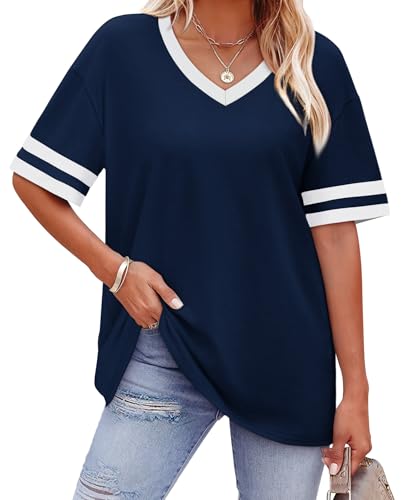
Choose the Right Turtleneck: Fit and Fabric
For curvy figures, the key to a flattering turtleneck is a fabric that skims, not clings. Look for ribbed knits with a bit of stretch (like cotton-modal blends) that follow your curves without pulling tight. Avoid stiff, thick wool that adds bulk. Go for a neckline that is snug but not choking; a half-zip mock neck offers adjustability. Darker colors like black, charcoal, and navy are slimming, but a deep berry or olive can also work if the fit is right. For example, a burgundy ribbed turtleneck in a stretch jersey creates a smooth line from shoulders to hips.
Balancing Proportions: Pair with High-Waisted Bottoms
To balance a curvy lower half, always tuck your turtleneck into high-waisted bottoms. This defines your waist and creates an elongated silhouette. Try a fitted black turtleneck with high-waisted straight-leg jeans in a dark wash. The contrast between the fitted top and the straight leg streamlines your shape. For work, pair a cream ribbed turtleneck with a high-waisted A-line leather skirt. The A-line shape flares from the waist, accommodating wider hips. Avoid skinny jeans; they can create an unbalanced "ice cream coneâ" look. Instead, opt for a wide-leg trouser in a fluid fabric like viscose, which moves gracefully over curves.
Layering with Jackets and Blazers
A structured jacket adds definition to a curves. Wear an unbuttoned blazer over your turtleneck. Look for a blazer that hits at the hip (not the waist), with a single button closure. For example, a camel wool blazer over a black turtleneck with high-waisted wide-leg trousers creates a clean vertical line. Avoid cropped jackets, which can make your torso look boxy. A long cardigan that falls below the hip also works, but make sure it's open to show the waist definition. Try a duster cardigan in a lightweight knit over a matching turtleneck and jeans for a monochromatic, lengthening effect.
Accessories to Elongate and Flatter
The right accessories can draw the eye upward and create a slenderizing effect. Wear a long pendant necklace (at least 20 inches) that falls past your bust, creating a vertical line. For example, a simple sterling silver chain with a small turquoise stone. Scarves should be worn loosely, not wrapped tight, and left to hang long. Avoid chunky scarves that add bulk at the neck. Belts are your best friend: if your turtleneck is long, wear a wide belt over it at your natural waist. This breaks up the color block and cinches the smallest part. For a professional look, pair a burgundy turtleneck with a black leather belt and high-waisted black trousers.
Color and Pattern Tips for Curves
Monochromatic outfits are extremely flattering. Wear a charcoal turtleneck with charcoal trousers and charcoal boots. This uninterrupted vertical line makes you look taller and leaner. If you want pattern, choose small-scale prints (like micro-florals or fine stripes) rather than large graphics. Wear a patterned turtleneck on top (like a thin stripe) and solid bottoms. For example, a navy-and-white thin-stripe turtleneck with navy wide-leg pants. Avoid horizontal stripes on the top half; they can widen the appearance. Instead, use vertical stripes on pants to lengthen legs.
Putting It All Together: Outfit Examples
Casual chic: Black stretch ribbed turtleneck, high-waisted light wash mom jeans, white leather sneakers, and a long silver pendant. Office ready: Cream turtleneck, high-waisted navy blue A-line midi skirt, black leather belt, and matching black ankle boots. Over a blazer: Charcoal turtleneck, black wide-leg trousers, a long burgundy cardigan open, and a long gold chain. Each of these looks uses the principles of fit, proportion, and color to enhance your curves.
Key Takeaway
Choose a stretch ribbed turtleneck in a dark neutral, tuck it into high-waisted bottoms, and add a long necklace to create a vertical line that flatters curves.