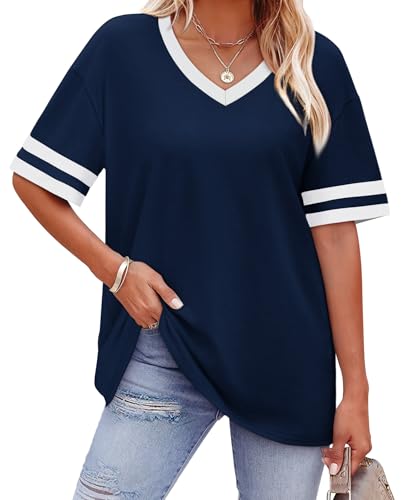
The winning formula: Fit and fabric matter most
For office-appropriate midi skirts, prioritize structure and hemlines. Look for wool crepe, heavy cotton sateen, or pleated polyester , fabrics that hold their shape and don’t cling. A-line cuts or straight midis fall gracefully, while pencil midis need a stretch blend for movement. Avoid anything too lightweight or jersey-like; it reads casual. Hemlines should hit just below the knee to mid-calf; too long looks frumpy, too short loses professionalism. Color-wise, start with navy, charcoal, black, camel, or olive. These neutrals form the backbone of a work wardrobe and mix easily.
Tops: Balance proportions with fitted knits or crisp button-downs
The key is contrast: voluminous midi skirt needs a slim top; slim midi works with a slightly looser blouse. For a pencil midi, try a fine-gauge turtleneck or mock neck in merino wool or cashmere. Example: charcoal wool pencil midi with a cream cashmere turtleneck and low block heels. For an A-line or pleated midi, a fitted silk shell or a structured button-down (cotton poplin, no stretch) creates balance. Tuck it in fully for a clean line, or half-tuck for a relaxed but tidy look. Avoid crop tops, oversized sweaters, or anything with logos. Colors: stick to white, ivory, light blue, blush, or grey for simplicity. If your skirt is printed (fine checks or subtle plaid), pick a solid top that repeats one of the skirt’s tones.
Shoes and accessories: Extend the line, don’t break it
Shoes can make or break the proportion. The best options for midi skirts at work are ankle boots (sleek, no chunky sole), loafers (menswear-inspired or ballet flat), pointed-toe pumps, or block-heel mules. Avoid anything that cuts the leg horizontally at the widest part of the calf. Nude or black pointed-toe pumps elongate the silhouette. Ankle boots should fit closely at the ankle; try black suede or leather. Loafers work well with A-line midis; add a visible sock in a coordinating color (no-show socks for others). Accessories: a thin leather belt at the waist (if loops or if you cinch a tucked top) defines your shape. Keep jewelry minimal , small gold or silver studs, a delicate necklace. A structured tote or crossbody in leather completes the look. Avoid oversized handbags that overwhelm the skirt’s line.
Seasonal tweaks: Adapt for summer, winter, and beyond
In summer, swap for a cotton sateen midi (A-line or wrap style) with a sleeveless silk blouse or a short-sleeve linen button-down. Shoes: low-block sandals (if allowed) or leather mules. Fabric priority: breathable, crease-resistant. Color palette: navy, white, soft pink, or seersucker. For winter, choose heavier wool or corduroy midis. Layer with a thin cashmere turtleneck and a blazer (fitted, not boyfriend). Footwear: heeled ankle boots or tall leather boots (if the skirt is slit or you wear tights). Tights: opaque black or dark navy in 40-60 denier. Texture adds interest , try a tweed midi with a smooth merino top. For transitional weather, a wrap midi in a mid-weight ponte knit works with a long-sleeve tee and a denim jacket (casual Friday) or a cardigan.
Common mistakes and how to avoid them
Voluminous midi plus baggy top = lost silhouette. Solution: always balance one fitted piece. Too-long hemlines (hitting at full calf) that make you look shorter. Fix: choose a hem above or at the knee bone, or below the widest calf part. Clingy fabrics like thin jersey that show every line. Fix: line your skirt with a slip if needed. Unprofessional prints like large florals or neon colors. Stick to small-scale patterns (pinstripe, houndstooth, micro-check) and muted tones. Shoes that are too casual (sneakers, gladiator sandals) or too fussy (strappy stilettos). Always opt for clean, classic shapes.
Key Takeaway
Balance volume: pair a fitted top with a fuller midi, and a looser top with a slim midi, and always extend the leg line with pointed or sleek shoes.