Choose the Right Fit and Fabric
For curvy figures, the key to palazzo pants is a high-waist cut that sits snugly at your natural waist. This defines your middle and creates a smooth transition from top to bottom. Look for pants with a wide, flat waistband (no elastic if possible) for a sleek line. In terms of fabric, opt for structured materials like crepe, linen blends, or ponte knit. These hold their shape and skim over hips without clinging. Avoid flimsy satin or jersey that can wrinkle and add bulk. A thicker fabric also drapes better, creating a streamlined look. For color, dark solids like black, navy, or charcoal are safest, but if you want prints, choose vertical stripes or small geometric patterns that draw the eye up and down.
Balance Proportions with Tops
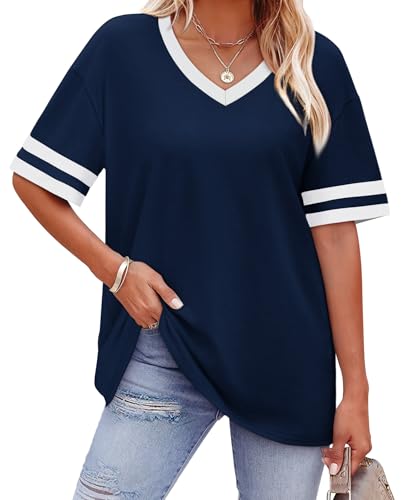
Palazzo pants are wide and voluminous, so the top must be fitted and cropped or tucked in. A simple V-neck or scoop neck tee in a stretch cotton that ends above your hip bone is ideal. For a dressier look, try a wrap top or a bodysuit that skims your torso. The goal is to show your waist and avoid any fabric bunching at your hips. If you prefer a looser top, drape a structured blazer over it, unbuttoned, to create vertical lines. Always tuck in your top, even if it's a thin sweater (choose a fine-gauge knit). This rule applies universally but is crucial for curvy silhouettes to maintain a clean, elongated line.
Define the Waist with Belts and Details
A wide belt in a contrasting color adds instant definition to your waist and breaks up the volume of palazzo pants. Match the belt to your shoes or handbag for a polished look. Alternatively, choose pants with side pockets or a front pleat; these details add structure and prevent the pant from looking like a shapeless sack. Avoid pants with excessive gathering at the waist, which can add inches. If your pants have belt loops, use them; a thin leather belt works if you prefer subtlety. The waist should be the narrowest point of your outfit, so emphasize it.
Heels Are Your Best Friend
Palazzo pants can overwhelm a curvy frame if worn with flats. A heel of at least 2 inches lifts the pants off the ground, creating a longer leg line and making your legs look slimmer. Block heels or wedges are easier to walk in and provide a sturdy base. Pointed-toe pumps elongate further. If you hate heels, choose platform sneakers with a 1-inch sole or a flatform sandal. Avoid ankle straps or any shoes that cut off the leg; instead, opt for nude or skin-tone heels that blend with your skin. The pants should just skim the floor when standing, not puddle.
Layer Strategically
For cooler weather, layer a fitted turtleneck under a blazer or a cropped leather jacket. The blazer should end at your hip or stay open to maintain vertical lines. A long cardigan can work if it's open and narrow (like a duster). Avoid boxy or oversized jackets that add width. For a monochrome look, pair palazzo pants in black with a black bodysuit and a gray structured blazer; the single color streamlines your figure. In summer, a sleeveless wrap top tied at the side is both flattering and airy. Always check your silhouette in a full-length mirror before leaving; vertical vs. horizontal balance is everything.
Print and Color Guidelines
If you love prints, limit them to the pants and keep your top solid in a neutral that matches a color in the print. This draws attention to the legs rather than the middle. Bold prints can work if the background is dark and the pattern is not too large. For curvy figures, medium-scale prints are better than tiny or oversized ones. In color, a "color blockâ" approach works: wear tonal shades from top to bottom (eg. olive pants with a sage top). This creates a continuous line. And remember: dark colors slim, so if you are self-conscious about your hips or thighs, choose a darker bottom.
Key Takeaway
Always balance wide palazzo pants with a fitted top and defined waist, and wear heels to elongate your silhouette.