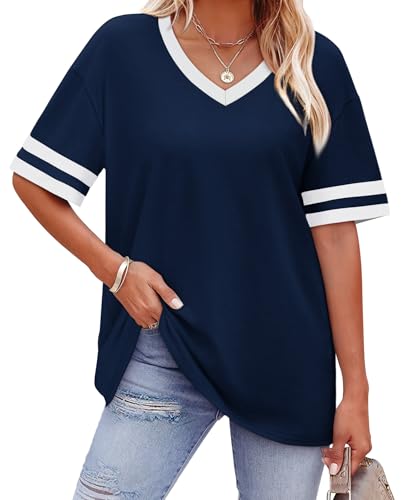
Layering Necklaces: The Ultimate Guide to Perfectly Stacked Chains
Layering necklaces starts with understanding length. A good rule: choose three chains with at least 2 inches difference between each. For example, start with a 16-inch choker, then an 18-inch pendant, and finish with a 22-inch lariat. This staggered spacing prevents tangling and creates visual interest.
Choosing Your Base: The Anchor Piece
Your anchor piece is the shortest necklace, usually 14-16 inches. Opt for a simple chain like a cable link, box chain, or an omega chain in yellow gold, silver, or rose gold. Avoid bulky links for the anchor; a delicate 0.8mm cable chain works well. If your shirt has a high neckline, skip the anchor and start at 18 inches.
The Middle Layer: Adding Interest
The middle necklace (18-20 inches) is where you can add a pendant. Choose a coin pendant, a small gemstone, or a minimalist bar. For instance, a 18-inch silver chain with a small moonstone pendant pairs nicely with a gold choker. Mix metals: try a rose gold anchor with a silver middle. Keep the pendant size proportional to your frame; a petite person should avoid oversized coins.
The Hero Layer: Statement and Length
The longest layer (22-24 inches) should be a statement piece. Consider a long pendant on a leather cord, a chain with a large textured charm, or a lariat that can double as a waistcoat accent. If your top has a V-neck, let this piece sit just above the dip. For crew necks, keep it above the collar. A 24-inch chain with a brass sunburst pendant works well over a black turtleneck.
Mixing Metals and Textures
Don’t be afraid to mix yellow gold, rose gold, silver, and even matte black. The key is consistency in style: keep all pieces either sleek and modern or vintage and ornate. For a cohesive look, limit mixed metals to two. Example: a rose gold choker, a gold pendant, and a silver lariat. Textures matter: pair a smooth cable chain with a hammered disc and a beaded strand.
Matching Necklines and Outfits
- Crew necks: Stack all layers inside the neckline, ending above the collar. Use short chains (16-18 inches) for a compact look.
- V-necks: Let the longest layer echo the V shape. The middle and anchor can sit inside the neckline.
- Off-shoulder or strapless: Showcase all layers. Use shorter anchor (14 inches) and longer hero (24 inches) to frame the collarbone.
- Blouses with collars: Keep layers inside the collar (16-20 inches) to avoid clashing.
Avoiding Tangling
Tangling is the top complaint. To prevent it, choose chains with different link styles (e.g., cable, ball, and curbed). Clasp placement matters: wear claws at the back or front - front clasps are easier to undo. Use a jewelry shortener to adjust lengths. For storage, lay each necklace out flat and fasten the clasp before hanging.
Occasion-Based Layering
- Work: Choose clean, minimal layers. A thin gold choker, a small pearl pendant, and a delicate chain. Stick to one metal color.
- Weekend: Mix textures, add more length. Try a leather cord, a coin, and a beaded strand. Use earthy tones like terracotta, navy, or olive.
- Evening: Go bold with up to four layers. Use a chunky chain, a crystal pendant, and a lariat. Keep glamour consistent - pair with a black silk slip dress.
Caring for Your Stack
Store necklaces individually in a lined box or hanging organizer. Avoid spraying perfume directly on them. Clean with a soft cloth after each wear. For gold-filled or sterling silver, use a polishing cloth. Never sleep in layered necklaces - they can tangle or break.
Key Takeaway
Layer 3 necklaces with at least 2 inches length difference and different link styles to create a balanced, tangle-free look.