Choosing the Right Blazer for Smart Casual
The smart casual blazer should feel as comfortable as a cardigan but look more polished. Opt for unstructured construction: no padding in the shoulders, minimal lining, and softer canvassing. This gives you the shape of a blazer without stiffness. For fabric, choose linen (natural colors like oatmeal, navy, or olive) for summer, or a cotton-linen blend for breathability. Wool-cotton blends work year-round. Avoid anything shiny or patterned; stick to solids. A two-button closure is most versatile; single-button is also fine but less common. The fit should allow you to button the middle button comfortably without pulling, and the shoulder seam should align with your natural shoulder bone. Sleeve length should show about a half inch of shirt cuff.
The Perfect Trousers for Smart Casual Blazers
The trousers you pair with your blazer define the vibe. For a true smart casual look, avoid matching suit trousers (unless they are a separate odd pant in a different texture). Instead, go for tailored chinos in khaki, navy, or olive. The fit should be slim but not skinny: a straight leg or slight taper. Also great are dark-wash jeans (no rips, fading, or embellishments) in a slim straight cut. The fabric weight should complement the blazer: lighter for linen blazers, medium for wool blends. For a monochrome look, match your trousers to the blazer's secondary color. Example: navy blazer with olive chinos; gray blazer with navy jeans.
Shirts, Knits, and Footwear
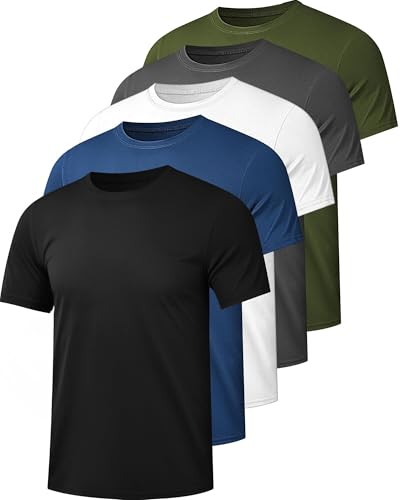
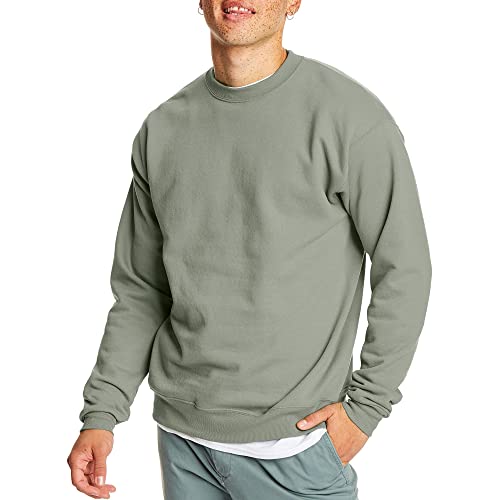
Under the blazer, skip the dress shirt. Instead, wear a high-quality crew neck t-shirt (white, gray, or navy) in pima cotton or linen. Make sure the tee fits well: not baggy, not too tight. For cooler weather, a fine-gauge merino wool sweater or a classic polo shirt (knitted, not pique cotton) works. Footwear is where you can show personality: clean white leather sneakers (like common projects or veja), suede chukka boots, or loafers. Avoid anything too athletic or too formal. A simple leather belt in the same color as your shoes ties the outfit together.
Accessories and Final Touches
Keep accessories minimal. A classic analog watch with a leather or metal band. Avoid bracelets or smartwatches. Roll the sleeves of your blazer once or twice to show some forearm and add ease. If you wear a pocket square, keep it a simple white linen square in a straight fold (not fluffy). No tie. The rule is: the blazer should look like you threw it on as an afterthought, not like you're trying to be formal.
When and Where to Wear a Smart Casual Blazer
This look works for dinners, dates, casual Fridays at work, or any event that says "dress to impress but don't overdo it.â" Avoid wearing it to the gym or beach. One last pro tip: never button the bottom button of a two-button blazer. It restricts movement and ruins the silhouette.
Color Combinations to Try
- Navy blazer + white tee + khaki chinos + white sneakers
- Gray blazer + black tee + dark wash jeans + black suede boots
- Olive blazer + heather gray tee + navy trousers + brown loafers
- Beige linen blazer + light blue oxford shirt (unbuttoned collar) + white jeans + tan desert boots
Key Takeaway
For smart casual, choose an unstructured blazer in a natural fabric like linen or cotton, pair with tailored chinos or dark jeans, and finish with clean sneakers or loafers.