Discovering Your Perfect Palette for Olive Skin
For those with olive skin, finding your most flattering colors means embracing a wide spectrum, as this unique skin tone often boasts both warm and cool undertones. Generally, rich jewel tones, warm earthy hues, and specific cool shades beautifully complement olive skin, highlighting its natural warmth and depth.
Understanding Your Olive Undertones
Olive skin is a beautiful blend, often with golden, yellow, or even greenish undertones. Because of this complexity, what flatters one olive complexion might slightly differ for another. To fine-tune your palette, consider whether your skin leans warmer (more golden, looks good in gold jewelry) or cooler (more greenish, looks good in silver jewelry). While this article covers broad recommendations, a little self-observation can help you pinpoint your personal bests.
The Best Warm Colors for Olive Skin
Warm colors are often a natural fit for olive skin, especially those with more golden undertones. These shades enhance your skin’s inherent warmth and radiance.
- Jewel Tones: Dive into the luxurious world of jewel tones. Emerald green, sapphire blue, ruby red, and amethyst purple are spectacular. Imagine an emerald green silk blouse paired with dark wash jeans, or a sapphire blue wrap dress that makes your skin glow. These rich, saturated colors provide a striking contrast that is incredibly flattering.
- Earthy Hues: Echoing the natural world, earthy tones are a cornerstone for olive complexions. Think deep olive green, terracotta, mustard yellow, rust, and burnt orange. A rust-colored linen dress or a mustard yellow knit sweater can feel incredibly chic and harmonious. These colors don’t just blend, they enhance, making your skin appear vibrant and healthy.
- Metallics: Gold, bronze, and copper metallics are your best friends. These shades beautifully pick up on the golden undertones in your skin, adding a touch of glamour without overwhelming.
The Best Cool Colors for Olive Skin
Don’t shy away from cool colors; many work wonderfully with olive skin, particularly those with cooler or more neutral undertones. The trick is to opt for shades with depth and saturation.
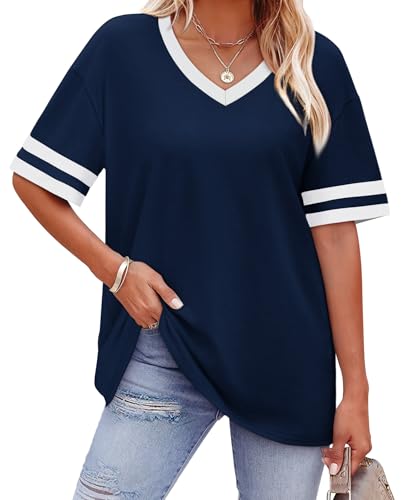
- Blues: Navy, royal blue, teal, and even a dusty denim blue are fantastic choices. A tailored navy blazer can instantly elevate an outfit, while a flowing teal skirt adds an artistic touch. These blues offer a sophisticated contrast without being stark.
- Greens: Beyond olive green, explore forest green, jade green, and even certain mint greens. A deep forest green provides an elegant, earthy depth, perfect for a sophisticated evening look or a cozy sweater. Jade green offers a refreshing pop of color that brightens the complexion.
- Purples: Deep plum, aubergine, and even a soft lavender can be stunning. These purples add a rich, regal touch that works beautifully, especially for evening wear or statement pieces.
- Pinks: Dusty rose, fuchsia with a cool undertone, or berry pinks can add a soft, romantic touch. A dusty rose blouse in a silk fabric can look incredibly elegant.
Neutrals That Shine on Olive Skin
Neutrals are the backbone of any wardrobe, and for olive skin, certain shades truly excel.
- Cream and Ivory: Softer than stark white, cream and ivory provide a gentle contrast that brightens without washing out. A cream chunky knit sweater or an ivory wide-leg trouser is effortlessly chic.
- Camel and Tan: These warm, classic neutrals are incredibly sophisticated and perfectly complement olive undertones. A camel coat or tan leather accessories are timeless staples.
- Charcoal Grey: Often a more flattering choice than harsh black, charcoal grey offers depth and versatility. A charcoal grey tailored suit or a knit dress can be incredibly elegant.
- Deep Chocolate Brown: Rich and luxurious, deep brown is a fantastic alternative to black, adding warmth and sophistication. Consider a chocolate brown leather jacket or a pair of tailored trousers.
Colors to Approach with Caution (and How to Wear Them Anyway)
While olive skin is versatile, some colors might require a bit more strategic styling to ensure they flatter rather than overwhelm or wash out.
- Stark Black: While a staple, black can sometimes be too harsh against olive skin, especially near the face. Styling Tip: If you love black, balance it with warmer accessories like a gold necklace or a rust-colored scarf. Alternatively, opt for charcoal grey or deep chocolate brown for a softer, yet equally chic, dark neutral.
- Very Pale Pastels: Extremely light, cool pastels can sometimes make olive skin look sallow. Styling Tip: Choose richer, slightly deeper pastels like a dusty rose or a soft lavender. Pair them with a deeper, more flattering color near your face, or use them in prints where they are balanced by other hues.
- Muted, Ashy Tones: Colors that are overly desaturated or have a very grey, ‘ashy’ quality can sometimes drain the vibrancy from olive skin. Styling Tip: If you wear these, ensure they are not directly against your face. Use them for bottoms or outer layers, and always pair them with a flattering, vibrant color that brings life to your complexion near your neckline.
- Bright Neons: While fun, intense neons can sometimes overpower olive skin. Styling Tip: Use neons as accents- a neon bag, shoes, or a subtle strip in a pattern- rather than as large blocks of color in your main outfit. This provides a pop of energy without overwhelming your natural tones.
Experimentation is key to discovering your unique blend of flattering colors. Pay attention to how a color makes your skin look- does it appear brighter, healthier, and more vibrant, or does it make you look tired or sallow? With these guidelines, you’re well-equipped to build a wardrobe that celebrates your beautiful olive skin tone.
Key Takeaway
Experiment with rich jewel tones, warm earthy hues, and deep, cool shades to discover your most flattering palette and enhance your natural glow.