Soft Pinks, Warm Peaches, Muted Blues, and Creamy Whites: Your Go-To Palette
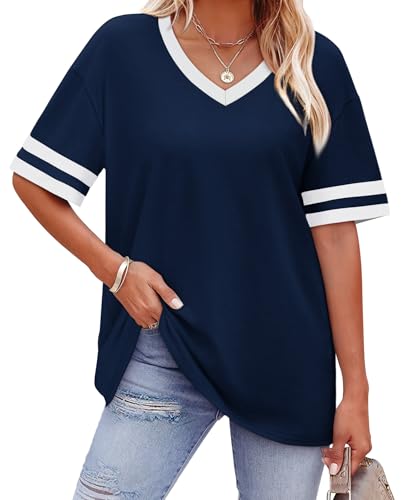
The most youth-boosting colors are those that soften your features and add a subtle glow. Think of a soft blush pink that mimics a natural flush, or a warm peach that brightens without washing you out. Muted blues like dusty cornflower or slate can calm redness and make your eyes look clearer. Creamy off-whites, such as ivory or ecru, are far more flattering than stark white because they don't create a harsh contrast against your skin. Avoid black directly next to your face - it can emphasize shadows and lines. Instead, try navy, charcoal, or deep burgundy for a sophisticated alternative.
Bright, Clear Colors That Work (and One That Doesn't)
Clear, saturated colors can be very flattering if they're not too intense. A true cobalt blue, emerald green, or coral can rejuvenate your complexion by providing a lively contrast. The trick is to keep the color from overwhelming you - choose a top in a vibrant hue but pair it with a neutral bottom, like a soft taupe or light gray. The color to avoid? Muddy browns and drab olive greens, which can make the skin look sallow. Also, avoid pastels that are too pale, like baby pink or powder blue, as they may wash out a mature complexion. Instead, opt for versions with more pigment: rose pink instead of baby pink, and indigo instead of baby blue.
How to Use Color Near Your Face
Your top, blouse, or scarf is the most important color decision because it directly affects your face. For the most youthful effect, choose tops in the colors mentioned above: blush pink, peach, soft blue, or creamy white. If you love a bolder color, try a blazer in that shade over a neutral top - the color frames your face without being too close. For example, a teal blazer over a cream blouse instantly brightens your eyes. For prints, choose patterns with a light base and small- to mid-scale motifs. Large, high-contrast prints can be aging, while delicate florals or soft geometrics keep the focus on you. A scarf in a complementary color (like a mustard yellow or coral) near your face can also work wonders - just ensure it isn't too overpowering.
The Rule of Three: Pops of Color for Accessories
Accessories are the easiest way to test out new colors without a big commitment. Use the "rule of threeâ": introduce a youth-boosting color in three separate places - for instance, a pair of earrings, a bracelet, and a handbag. This creates a cohesive, intentional look. Great accessory colors: turquoise, coral, magenta, and bright white (look for a blue-white or pure white in small doses). If you're wearing a neutral outfit, add a pop of color with a belt or shoes. Avoid metallic accessories that are too brassy or shiny - matte gold or silver with a soft finish is more modern and less aging.
Styling for Different Skin Tones
While the general palette works for most, you can fine-tune based on your skin's undertone. For warm undertones (yellow, peachy), focus on warm pinks, corals, peaches, yellow-based greens (like chartreuse), and buttery yellows. For cool undertones (pink, blue), go for cool pinks (like raspberry), bluish-reds, lavender, and icy blues. If you have a neutral undertone, you can wear both warm and cool hues - just avoid extremes. If your skin tone is darker, embrace richer versions of the soft colors: a warm terracotta instead of peach, berry instead of blush, and navy instead of charcoal. The key is to select colors that add luminosity rather than creating a flat, dull appearance. Always test colors in natural light to see what truly lifts your complexion.
Fabric and Finish Matter Too
The same color can look aging or rejuvenating depending on its finish. A matte fabric in a soft color (like a cotton blouse in dusty rose) is extremely flattering because it diffuses light and minimizes shadows. Shiny, reflective fabrics (like satin or high-gloss silk) can emphasize creases, so use them sparingly - maybe as a scarf or trim. Textured fabrics - like linen, tweed, or chunky knits - add visual interest and can make you look more dynamic. For example, a linen jacket in a muted blue with a slight texture instantly adds dimension and youth. Again, avoid large, stiff fabrics that create bulk; soft, draping materials are more forgiving and tend to look more modern.
Key Takeaway
Stick to soft, clear colors near your face like blush pink or soft blue, and avoid harsh black or muddy tones for an instant youthful lift.