Colors That Clash with Medium Skin
If you have medium skin, you probably know the struggle of putting on a shirt that completely drains your face. The good news is that avoiding a few specific color families can instantly upgrade your wardrobe. Steer clear of neon shades like lime green, hot pink, and electric orange, which can appear harsh and artificial against your natural undertones. Equally problematic are overly pale pastels such as baby blue, cotton candy pink, and mint green , these can make you look washed out rather than fresh. Finally, avoid muddy earth tones like beige, tan, and gray-brown that lack contrast; they tend to blend into your skin, leaving no definition. Instead, reach for colors that have depth and clarity.
Why Some Colors Wash You Out
Medium skin has a balanced amount of melanin, giving it a natural warmth. Colors that are either too bright or too muted fail to complement this warmth. Neon and highlighter shades create a jarring contrast, drawing attention to the color rather than you. On the flip side, washed-out pastels and dull earth tones lack sufficient saturation to stand apart from your skin, resulting in a flat, monochromatic effect. The key is to choose colors that are either saturated enough to provide contrast or rich enough to harmonize with your undertones. For example, a soft peach pastel can work if it leans warm and has some depth, but a chalky baby pink is a no-go. Similarly, a warm camel may look fine, but a cool beige with gray undertones will not.
Color Pairings That Flatter Medium Skin
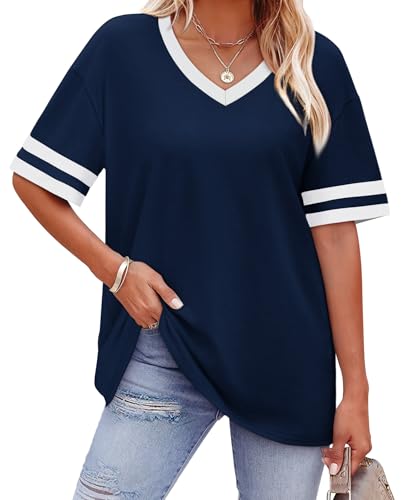
Swap the risky shades with these fail-safe alternatives. Instead of neon green, try emerald or olive. Instead of baby blue, go for navy or teal. Instead of dusty pink, choose rose or magenta. For earth tones, opt for warm chocolate brown, burnt orange, or deep olive , these have enough pigment to stand out. When wearing white, avoid stark white (which can look harsh) and choose ivory or cream. For black, it’s universally flattering, but if you want to soften it, pair with gold accessories or a warm scarf. For a neutral palette, build around navy, charcoal, burgundy, and olive. Adding a color pop like fuchsia or mustard yellow works beautifully as accents.
How to Apply These Rules to Outfits
Let’s get concrete. For a casual look, wear a rich burgundy sweater with dark indigo jeans , the deep red adds warmth and contrast. For work, a teal silk blouse with wide-leg olive trousers creates a sophisticated, grounded palette. In summer, replace pale pastels with jewel tones: a sapphire blue sundress or a mango yellow top. For evening, a deep plum or forest green dress will make your skin glow. If you love prints, avoid those with high-contrast neon elements; instead, choose florals with deep reds, navy, and mustard. Animal prints in warm browns and blacks also work well. Always consider your accessories: a mustard scarf or gold hoops can lift a neutral outfit. Remember, fabric matters , matte fabrics like linen and cotton in these colors are safe; shiny synthetics in problematic colors can amplify the clash.
Final Styling Tips to Experiment
Don’t be afraid to test borders. You can wear a forbidden color as an accent , for example, a neon pink belt over a black dress, or pale pastel earrings with a rich top. The key is proportion: the problematic color should be a small part (less than 10% of the outfit) and placed away from your face. Another trick is to add a buffer: wear a navy jacket over a pastel shirt to break the proximity to your skin. Also, consider your makeup , a bold lip in a warm red or berry can help you get away with more colors. Ultimately, trust your own eye: if a color makes you feel vibrant, wear it. But if you get compliments on certain shades, lean into them. The goal is to look like you, only more radiant.
Quick Guide to Your Best Colors
- Jewel tones: emerald, sapphire, ruby, amethyst
- Warm neutrals: camel, chocolate, olive, charcoal
- Rich pastels: salmon, peach, dusty rose (not baby pink)
- Accents: mustard, fuchsia, teal, coral
- Avoid: neon, pale pastels, grayish browns, stark white
Key Takeaway
Replace neon, pale pastels, and washed-out earth tones with jewel tones and warm neutrals to make your medium skin glow.