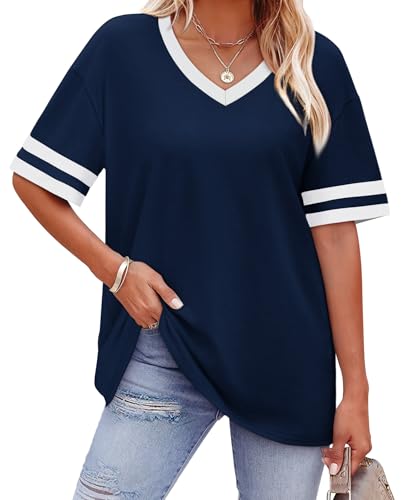
Dress as if you are attending a job interview for a professional role. The goal is to show respect for the court, the judge, and the legal process. Your outfit should allow your words and actions to be the focus, not your clothes.
Choose a Neutral Color Palette
Stick with dark, neutral colors: navy, charcoal gray, black, or dark brown. For women, a navy or black sheath dress or a tailored pantsuit works well. Men should wear a dark suit - navy or charcoal - with a white or light blue dress shirt. Avoid bright colors, loud patterns, or anything that might be seen as attention-seeking. A simple, solid-colored tie or scarf is acceptable but keep it understated.
Opt for Tailored Silhouettes
Fit is everything. Make sure your clothing is neither too tight nor too loose. A well-fitted blazer that hits at the hip, trousers with a slight break over the shoe, and a skirt that falls at or just below the knee. For women, a pencil skirt paired with a tucked-in blouse and a blazer projects professionalism. Avoid low-cut necklines, short hemlines, sheer fabrics, or anything that could be considered distracting. Men should stick with a classic notch-lapel suit in wool or a wool blend, and ensure the jacket’s shoulders fit perfectly. Avoid double-breasted jackets or overly trendy cuts.
Select Appropriate Fabrics
Choose fabrics that are structured, matte, and not overly shiny or casual. Wool, cotton, linen blends (but not wrinkled), and synthetic blends like polyester-viscose can work if they have a tailored finish. Avoid denim, leather, satin, sequins, or anything too soft like jersey knit. For example, a woman can wear a wool-blend A-line skirt with a cotton button-down top. A man should stick with worsted wool or tropical wool for suits. In hotter months, a cotton or linen-cotton blend suit is acceptable if it’s pressed and not wrinkled.
Pay Attention to Footwear and Accessories
Shoes should be closed-toe, low-heeled, and polished. For women, a classic pump with a 1-2 inch heel or a flat loafer is best. Men should wear lace-up oxfords or derbies in black or dark brown. No open-toe, stilettos, sneakers, or sandals. Accessories should be minimal: a simple watch, stud earrings (no hoops), and a structured handbag or briefcase. Remove any facial piercings (or replace with a clear retainer) and keep hair neat and off the face. Avoid scented products like perfume or cologne, as some courtrooms are scent-free.
Avoid the Following at All Costs
- Jeans of any color (even dark denim)
- T-shirts, sweatshirts, hoodies
- Flip-flops, sneakers, boots with aggressive patterns
- Shorts, miniskirts, leggings, ripped or distressed clothing
- Hats, sunglasses (until you enter the courtroom)
- Visible tattoos (cover with appropriate clothing)
- Excessive jewelry, flashy watches, or branded items with logos
Remember, you are not dressing to make a statement or to express your personal style; you are dressing to demonstrate that you take the proceedings seriously. Conservative, clean lines, and understated elegance are your blueprint.
Key Takeaway
Dress as if you are attending a job interview: neutral colors, tailored silhouettes, and minimal accessories to show respect and professionalism.