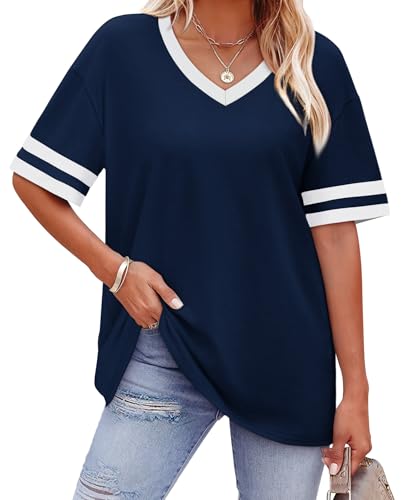
Start with a polished base: trousers or a midi skirt
For a museum date, the key is to look put-together without trying too hard. Start with tailored trousers in a neutral hue like charcoal, navy, or beige. Wide-leg or straight cuts work well, but avoid overly baggy or tight styles. If you prefer skirts, a midi length in a structured fabric like linen or ponte knit is ideal. A-line or column silhouettes flatter most body types. Pair with a tucked-in blouse in silk or cotton poplin; a soft white, cream, or light blue adds freshness. For cooler weather, swap the blouse for a fine-gauge cashmere or merino sweater in a muted tone like heather gray or dusty rose. The overall silhouette should be streamlined, think clean lines and minimal bulk.
Finish with smart footwear: loafers, ankle boots, or sleek sneakers
Footwear can make or break the look. Since you’ll be standing and walking, choose shoes that are both comfortable and stylish. Leather loafers in black, brown, or metallic shades are a classic choice. Minimal white sneakers (like Veja or Common Projects) work well if they’re clean and low-profile. For a dressier edge, opt for low-heeled ankle boots in suede or smooth leather. Avoid chunky trainers, flip-flops, or sky-high heels, they either look too casual or impractical. In warm weather, consider leather mules or structured sandals with a low block heel. The goal is to feel at ease while maintaining a polished vibe.
Layer with intention: a structured blazer or a classic trench
Layering adds dimension and a dose of sophistication. A well-fitted blazer in navy, camel, or black instantly elevates any outfit. Shoulder pads or a tailored waist enhance the silhouette. For a softer alternative, try a lightweight trench coat or a long cardigan in cashmere or merino wool. When layering, keep proportions in check: if your blazer is oversized, keep pants slim; if it’s cropped, opt for high-waisted trousers. Accessories should be subtle, a simple leather crossbody bag in a complementary color, a silk scarf tied around the neck or bag strap, and minimal jewelry like small hoop earrings or a delicate chain necklace. Avoid overly logoed items or statement pieces that distract from the art.
Mind the details: fabric, color, and grooming
Museum environments are often temperature-controlled, so dress in layers you can adjust. Choose fabrics that travel well and resist wrinkling: linen blends, cotton sateen, or stretch wool. Avoid loud prints or neon colors that can clash with the art. Instead, lean into a monochromatic palette or tonal dressing for a sleek look. Example outfit: olive wide-leg trousers with a cream silk blouse, a tan blazer, and white leather sneakers. Grooming matters, keep hair neat (loose waves, low bun, or sleek ponytail) and nails clean. Perfume or cologne should be subtle; you don’t want to overpower others in close gallery spaces.
Final tip: check the weather and the museum’s dress code
Before you go, glance at the forecast to adjust layers. For instance, if it’s rainy, swap sneakers for waterproof boots and bring a compact umbrella. Some upscale museums have a dress code (like no shorts or flip-flops), so check their website. Arriving looking like you made an effort shows respect for the experience. You can always remove a jacket or roll up sleeves to relax the look as the date progresses. Remember, confidence is your best accessory, when you feel good in what you’re wearing, it shows.
Summary: your museum date checklist
- Tailored trousers or midi skirt in neutral tones
- Blouse or fine-knit sweater in a soft fabric
- Loafers, ankle boots, or clean minimalist sneakers
- Structured blazer or trench coat for layering
- Small crossbody bag, minimal jewelry, subtle perfume
- Adjust layers based on temperature and dress code
Embrace a look that is effortless yet intentional, perfect for strolling galleries and engaging in conversation.
Key Takeaway
Balance comfort and polish with tailored trousers or a midi skirt, a soft top, and smart shoes like loafers or minimal sneakers.