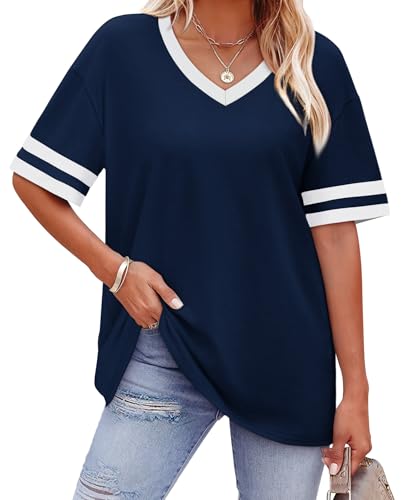
The Golden Rule: Smart Casual Is Your Safe Bet
Jury duty calls for a respectful, comfortable outfit that doesn't scream "I just rolled out of bed.â" The magic formula is smart casual: polished enough to show you take the process seriously, but relaxed enough for hours of sitting. Think of it as dressing for a nice brunch with your grandparents, not a red carpet event. For example, pair dark-wash, non-ripped jeans with a crisp button-up or a fine-knit sweater. Add a structured blazer or a cardigan for a put-together layer. On your feet? Slip-on loafers, clean sneakers (think plain leather or canvas, not neon), or ballet flats are ideal. Avoid anything with loud logos, distressed details, or overly casual items like sweatpants, tank tops, or flip-flops. The goal is to blend in respectfully while staying so comfortable you forget you're wearing outfit constraints.
Fabric, Fit, and Proportion: Your Comfort Commandments
Since you'll be sitting for long stretches, fabric choice matters. Choose breathable, natural fibers like cotton, linen, or wool blends over stiff synthetics. A soft cotton jersey tee under a wool blazer breathes and moves with you. For bottoms, go for a stretch cotton chino or a structured ponte knit pant; both offer a polished look without restricting your legs. Avoid overly tight trousers that dig in at the waist or thighs. Instead, aim for a straight or slim-straight leg that sits at your natural waist. For women, a knee-length A-line skirt in a sturdy cotton or knit is a smart option; pair it with opaque tights if it's cool. Proportion-wise, balance volume: if you wear a loose top, choose a more fitted bottom, and vice versa. A boxy blazer over slim jeans creates a clean silhouette. Keep layers in mind: a lightweight cardigan or a trench coat that you can easily remove once inside lets you adapt to the courtroom's temperature.
Color Palette: Neutral, But Not Boring
You want to look respectful, not like you're attending a funeral. Stick to a neutral color palette: navy, charcoal, olive, camel, burgundy, or soft gray. These colors read as thoughtful and professional without being flashy. Add interest with texture, not pattern. A chunky cable-knit sweater in oatmeal, a ribbed turtleneck in merlot, or a tweed blazer in herringbone all bring visual appeal while staying court-appropriate. For footwear, dark brown or black leather shoes (loafers, oxfords, or clean white sneakers) ground the outfit. If you want a pop of color, do it with a subtle accessory: a deep green scarf, a navy watch strap, or a burgundy belt. But remember: avoid anything that might be deemed distracting, like sequins, neon, or loud prints. The idea is to be remembered for your attentiveness, not your outfit.
Accessories and Footwear: Go Comfortable and Quiet
Your accessories should be minimal and functional. A structured tote or a medium-sized crossbody bag in leather or canvas is perfect for carrying your book or phone. Avoid anything oversized or jangly. For jewelry, keep it simple: stud earrings, a thin necklace, a classic watch. Anything that clanks or dangles is a no-go in a quiet courtroom. Shoes are where many people falter. You need shoes that are quiet, easy to slip on and off (for metal detectors), and comfortable for walking. Slip-on loafers or mules are ideal: they look polished, slide on quickly, and are silent. If you prefer sneakers, choose a clean low-top style in all white or black leather. Avoid heels higher than two inches, as they'll be uncomfortable during long waits. Always test your shoes beforehand: walk around, sit in them, and make sure they don't squeak or rub.
How to Adapt for Different Courtroom Settings
If you've been called for a grand jury or a federal case, you may need to dress slightly more formally. In that case, swap jeans for wool trousers or a skirt, and wear a button-up with a blazer. For state or municipal court, smart casual is universally fine. If the dress code is not specified, err on the side of slightly dressier: a blazer always elevates. For warm weather, choose lightweight fabrics like linen or seersucker, but remember that courtrooms are often heavily air-conditioned. Bring a cardigan or a jacket that you can layer on. For colder months, focus on comfort: a soft cashmere-blend sweater, a puffer vest that you can remove, and boots with a low heel. The key is that your outer layer should be easy to take off and stow without looking rumpled. Also, consider personal style: if you hate blazers, a polished cardigan or a structured denim jacket can work if the rest of the outfit is clean and smart.
Final Checks: The Day Before
Lay out your outfit the night before and try it on. Sit down in the chair you'll be using; make sure nothing rides up or feels too tight. Walk around to ensure your shoes don't slip or make noise. Check for wrinkles and ensure everything is clean and pressed. Pack a small bag with essentials: a book or e-reader, headphones (with a cord, as wireless may not be allowed), and a water bottle (if permitted). Avoid strong perfumes or colognes, as scents can be distracting in a small room. And remember: you're there to serve your civic duty, not to make a fashion statement. Your goal is to be comfortable and respectful so you can focus on the important task at hand.
Key Takeaway
Aim for smart casual attire: dark jeans or chinos, a structured blazer, and slip-on loafers for a respectful, comfortable look.