For most people the Hoka Clifton 9 is the one to buy: it is the best balance of comfort, performance and value in this group. If it is not quite right for you, the Saucony Ride 17 is the strong runner-up that suits a slightly different stride or budget.
Choosing a running shoe online is hard because every brand calls its foam responsive and every model is the most cushioned yet. What actually matters is a much shorter list, and we have done the legwork so you can skip straight to the pick that fits how you move.
Below are the options that consistently rise to the top across independent lab measurements and large pools of verified owner reviews. We have grouped them by the job each one does best, so you can jump to the right pick rather than reading all six.
Quick comparison
The picks, in detail
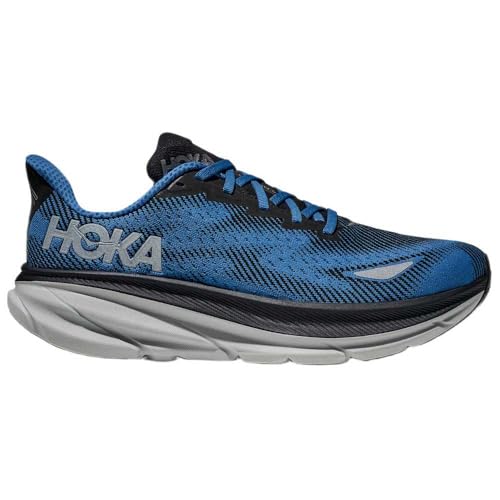
Hoka Clifton 9
The best all-rounder daily trainer: soft, light for the foam it carries, and equally happy on easy miles or a half marathon.
- Soft yet light
- Genuinely versatile
- Roomier toe box than past versions
- Outsole wears faster
- Not built for fast tempo

Saucony Ride 17
The quiet all-rounder: balanced PWRRUN+ foam, the lightest weight in the group, no weak spots.
- Lightest in class
- Balanced foam
- Secure midfoot fit
- Firmer than max-cushion
- Plain looks

On Cloudsurfer 7
On's smoother, softer everyday trainer with redesigned CloudTec for a more cushioned daily feel.
- Smooth, softer than older On shoes
- Light
- Sleek look
- Pricey
- Narrow fit
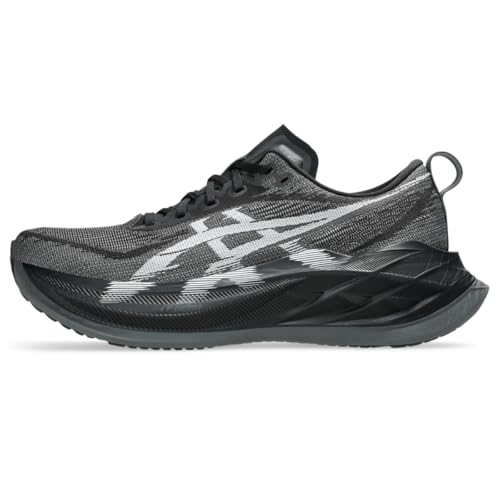
ASICS Superblast 2
A max-stack super-trainer that is soft, springy, and shockingly light: great for long runs and tempo alike.
- Soft and bouncy
- Very light for the stack
- Versatile across paces
- Expensive
- Hard to find in stock

Brooks Ghost 16
The safe pick almost nobody regrets: even DNA Loft v3 cushioning, a true fit, and wide sizes.
- Even, plush cushioning
- True-to-size, wide options
- Durable for a soft shoe
- Heavier than rivals
- High drop won't suit midfoot strikers

ASICS Gel-Nimbus 26
The most pillow-like shoe here, built for long slow miles and recovery days with FF Blast Plus Eco foam and PureGel.
- Best impact protection
- Premium padded upper
- Holds up over high mileage
- Heaviest here
- Premium price
How to choose
- Match the foam to your runs. Soft max-cushion shoes suit easy and recovery miles; firmer, springier shoes feel better when you pick up the pace.
- Watch the weight. An ounce or two adds up over thousands of strides. If you want to feel quick, stay light; if most runs are slow, plush and heavier is fine.
- Mind the drop. A higher 10 to 12 mm drop eases the calves and suits heel strikers; a lower 4 to 8 mm drop loads the calf more and suits midfoot strikers.
- Get the fit right. Leave a thumb's width at the toe, lock the heel in, and pick a model with width options if your feet are broad. Fit beats every spec on paper.
Shop by brand
Related guides
Frequently asked questions
How often should I replace running shoes?
Most trainers are good for roughly 300 to 500 miles. Replace them when the midsole stops bouncing back, the outsole wears smooth, or new aches appear. Rotating two pairs makes both last longer.
Should I size up?
Usually half a size up from your everyday shoe. Feet swell on runs and you want a thumb's width of room at the toe to avoid bruised toenails.
Is the Hoka Clifton 9 worth it?
For most buyers, yes. The Hoka Clifton 9 earned our top spot for offering the best overall balance in this group, which is why it is our first recommendation.
Some links are affiliate links and we may earn a commission, at no extra cost to you. Disclosure.